
[Ttukseom Station Lifting] Ultherapy Shot Count by Area, Ultherapy Lifting Effects
[Ttukseom Station Lifting] Ultherapy Shot Count by Area,
Ultherapy Lifting Effects
Ttukseom Station Lifting Sio Clinic
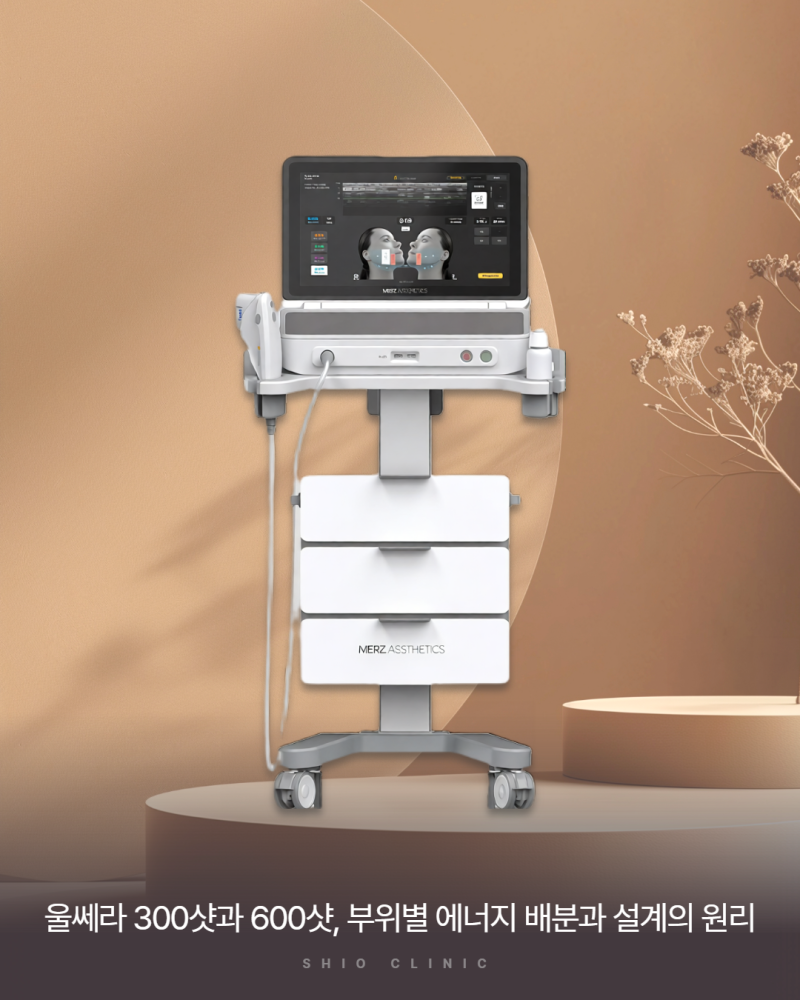
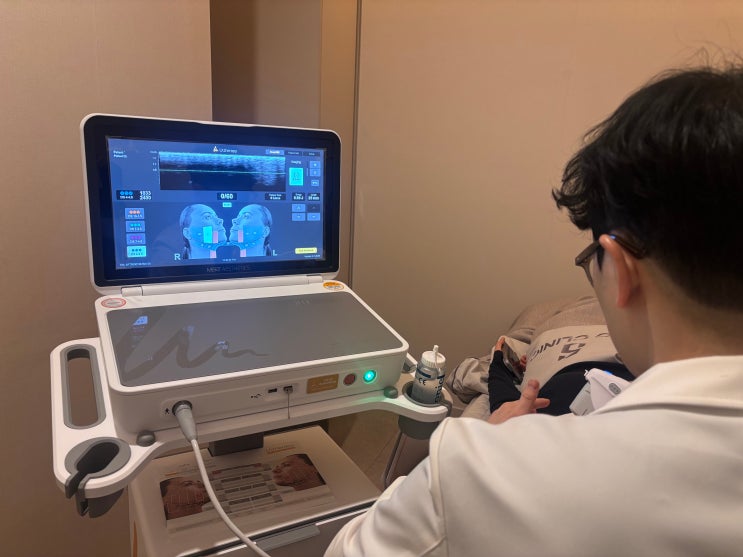
Hello, this is Sio Clinic for Ttukseom Station Lifting.
When undergoing procedures with Ultherapy Lifting, a well-known lifting device, the number of shots is often the first factor considered.
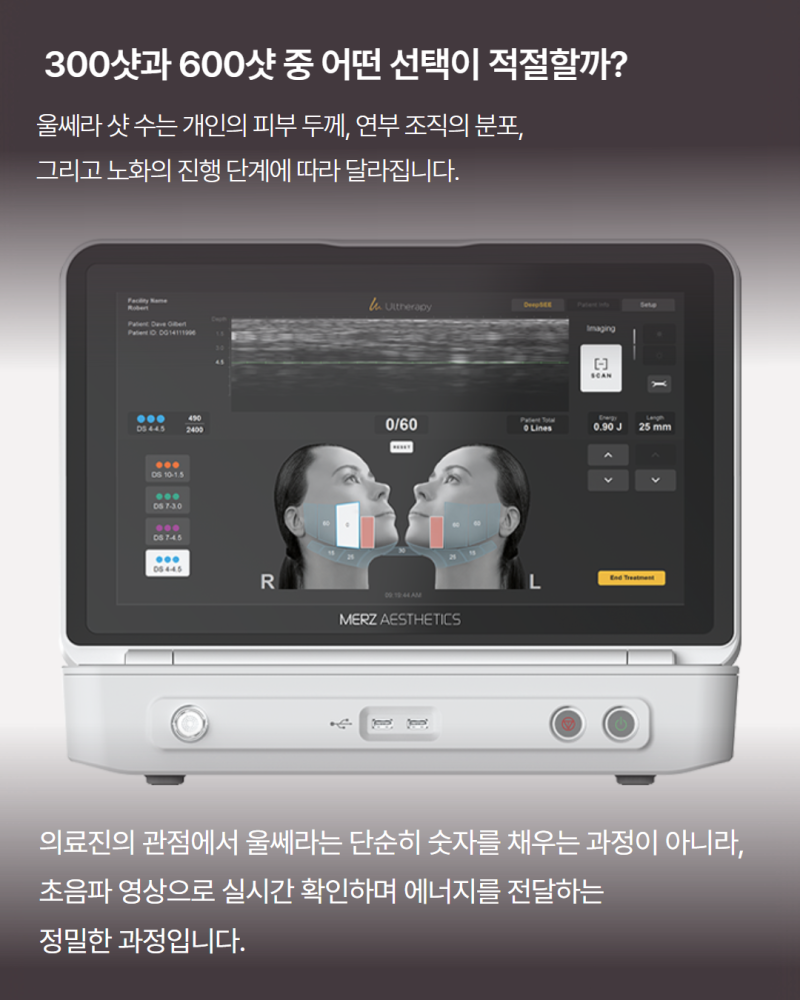
Specifically, the criteria for choosing between 300 shots and 600 shots vary depending on an individual's skin thickness, soft tissue distribution, and the stage of aging. From a medical professional's perspective, Ultherapy is not merely about filling a number, but a precise process of delivering energy while monitoring in real-time with ultrasound imaging.
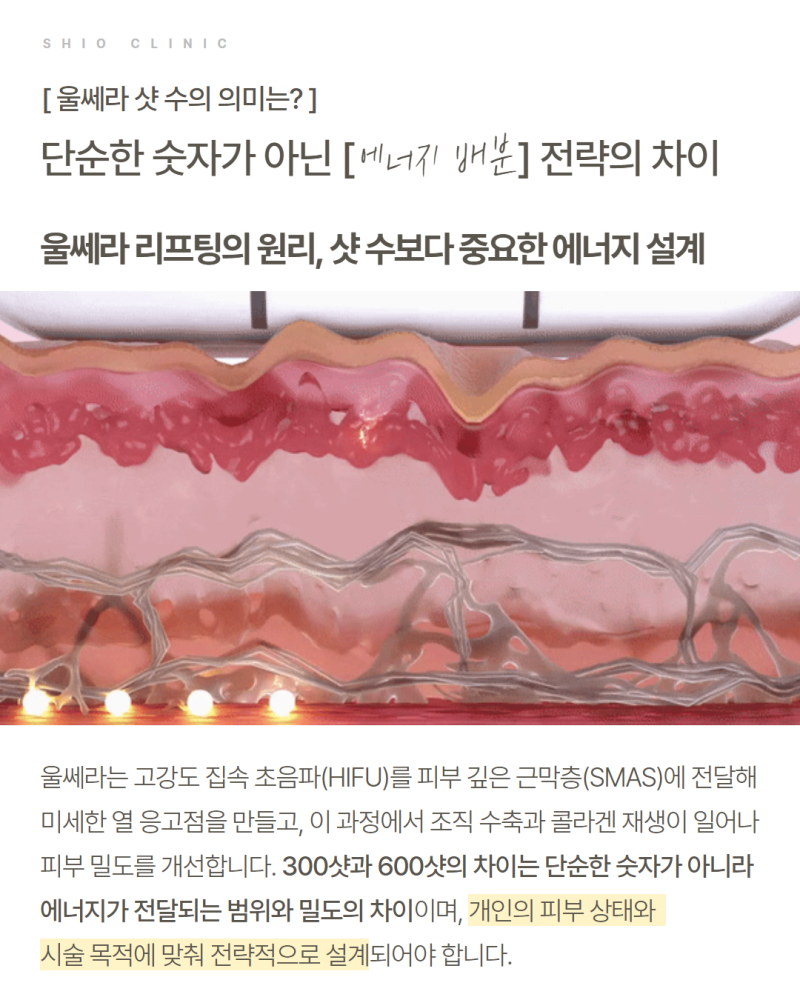
Ultherapy uses High-Intensity Focused Ultrasound (HIFU)
to deliver energy to the deep fascial layer (SMAS)
to create thermal coagulation points.
These coagulation points contract, and subsequently, collagen
is generated, improving skin density.
The difference in shot count determines
the range and density of energy delivery.
300 shots and 600 shots should be strategically allocated
according to the treatment purpose and coverage area.
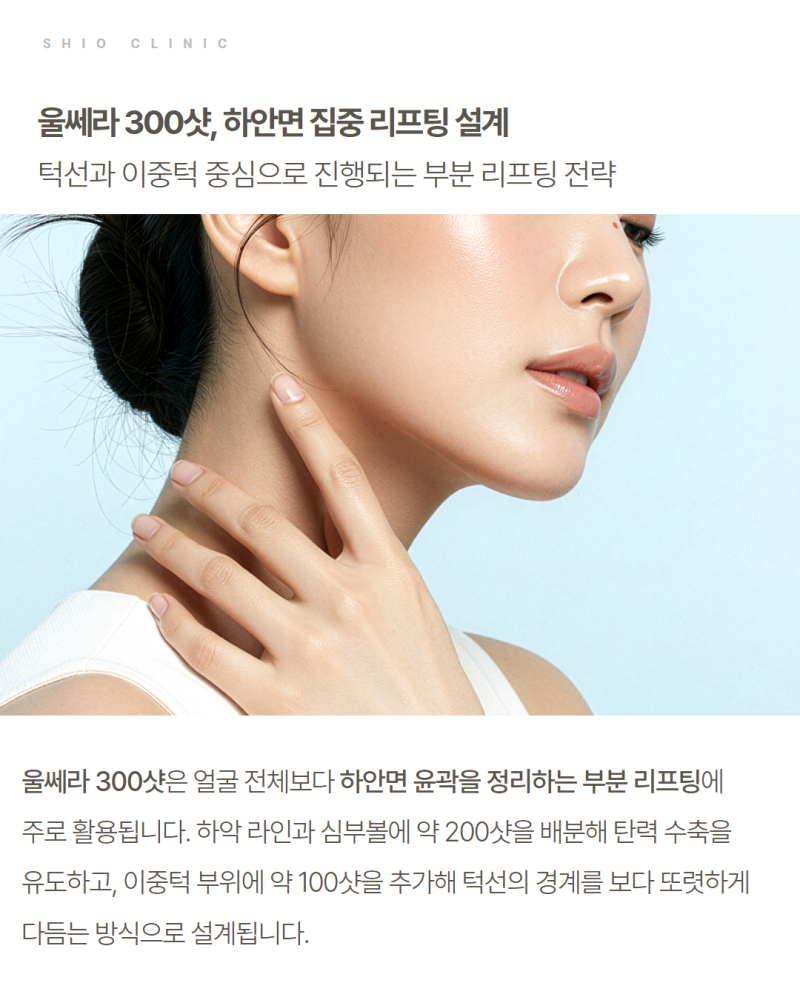
Generally, 300 shots are used to refine the jawline contour or focus on specific areas of concern.
This approach focuses on clarifying the jawline or reducing the volume of a double chin when overall facial sagging is not severe.
A specific allocation example involves distributing approximately 200 shots to the mandibular line and deep cheek area to induce contraction, and an additional 100 shots to the double chin area for precise contouring.
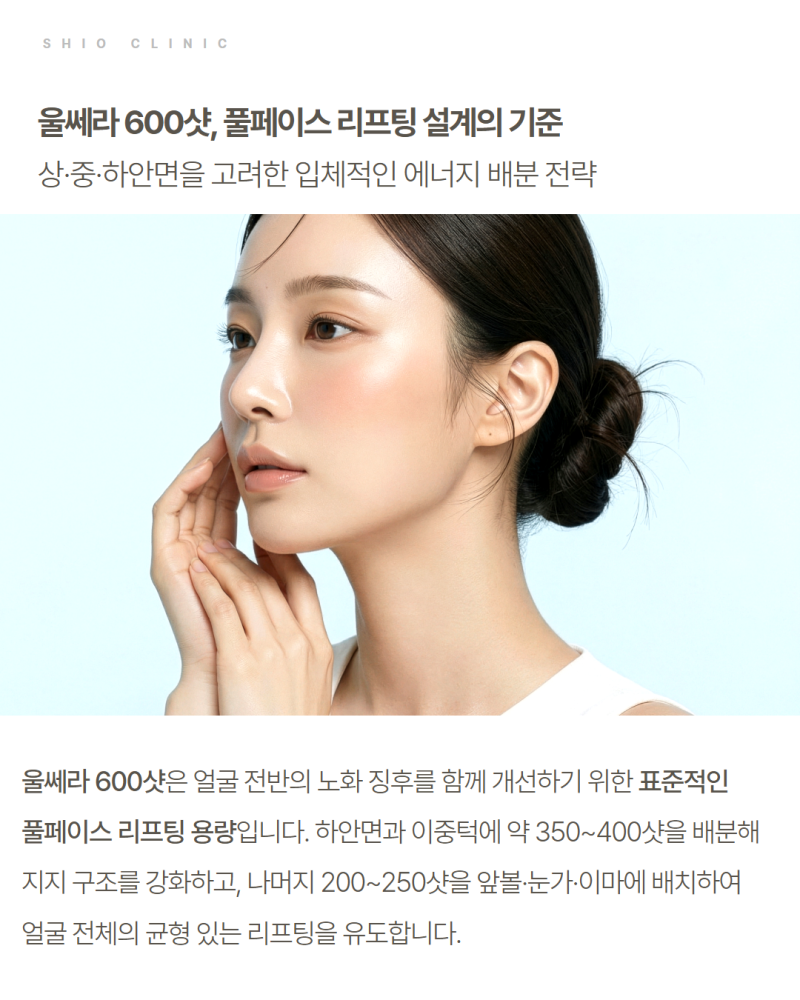
600 shots are the standard full-face dosage applied when addressing signs of aging throughout the entire face.
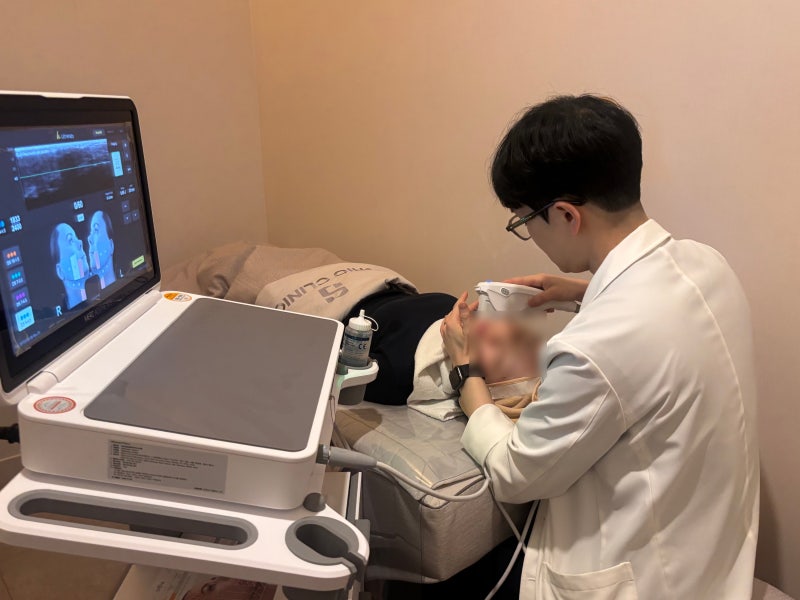
Aging is not confined to specific areas but occurs organically across the upper, mid, and lower face.
In a 600-shot plan, approximately 350-400 shots are allocated to the lower face and double chin to strengthen the support structure, with the remaining 200-250 shots distributed to the cheeks around the nasolabial folds, eye area, and forehead to induce brow lifting.
This allows for a three-dimensional approach that balances contraction and relaxation across the entire face.
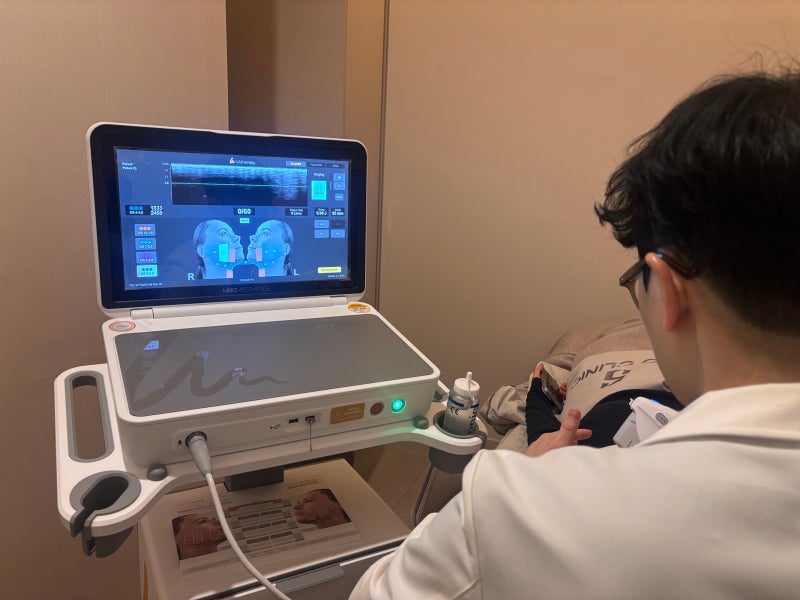
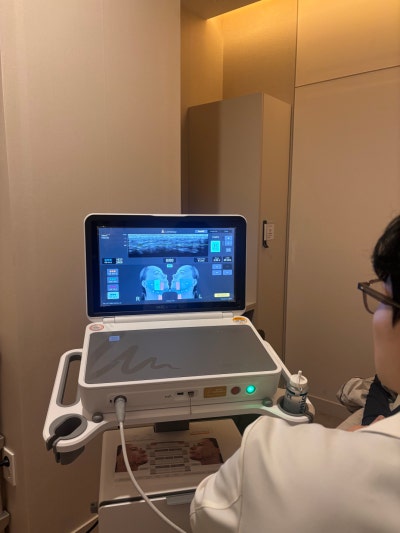
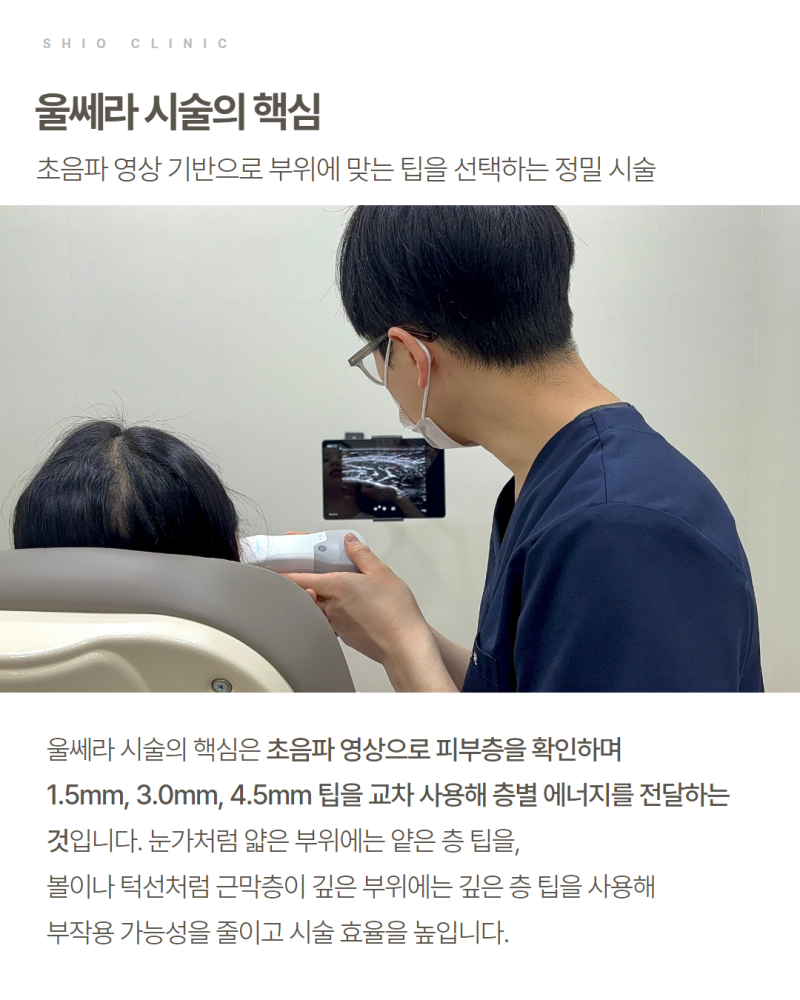
The key here is the appropriate exchange of tips for each area, guided by visualized ultrasound imaging.
At Sio Clinic, we use three types of tips – 1.5mm, 3.0mm,
and 4.5mm – interchangeably to deliver energy layer by layer,
monitoring the skin layers in real-time during the procedure.
For areas with thin skin like the eyes, we use tips targeting shallower layers, while for areas like the cheeks or jawline where the fascial layer is deeper, we use tips for deeper layers. This approach minimizes the risk of side effects and maximizes efficiency.
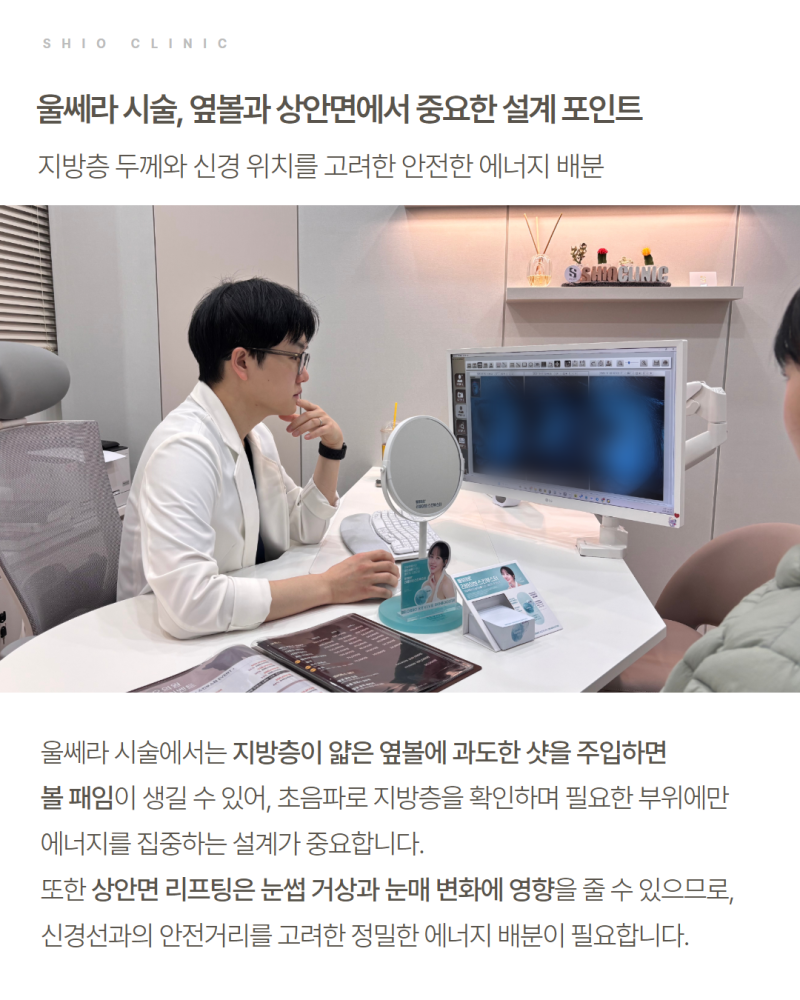
A sensitive area to be cautious of during Ultherapy treatment
is the side of the cheek where the fat layer is thin.
Ttukseom Station Lifting Sio Clinic
If a large number of shots are administered uniformly without considering the individual's anatomical structure, phenomena such as cheek hollowness can occur.
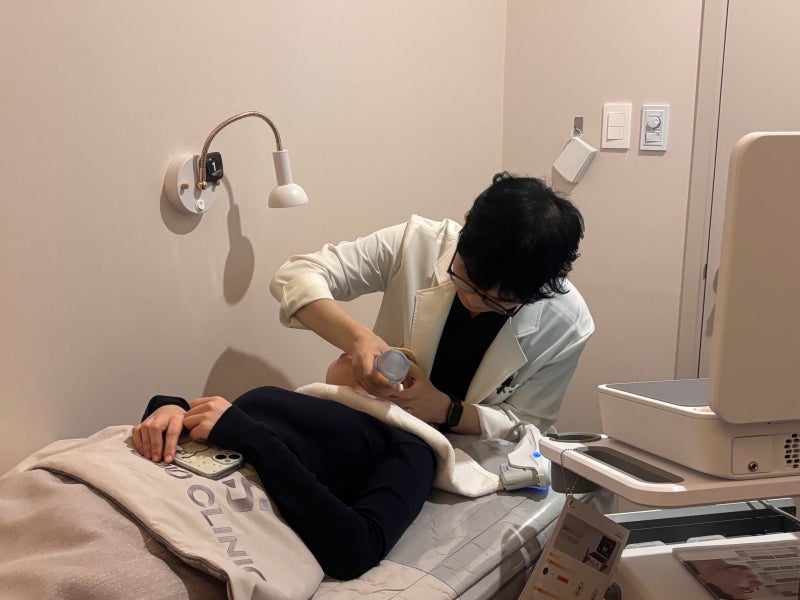
Sio Clinic adheres to a method of real-time monitoring of fat layer thickness via ultrasound throughout the entire procedure. We bypass areas where fat loss is a concern and focus energy on areas that require support.
More important than the number of shots
is the selection of the precise layer where the energy is delivered.
Furthermore, upper face lifting can lead to changes in the eye area
depending on the shot distribution.
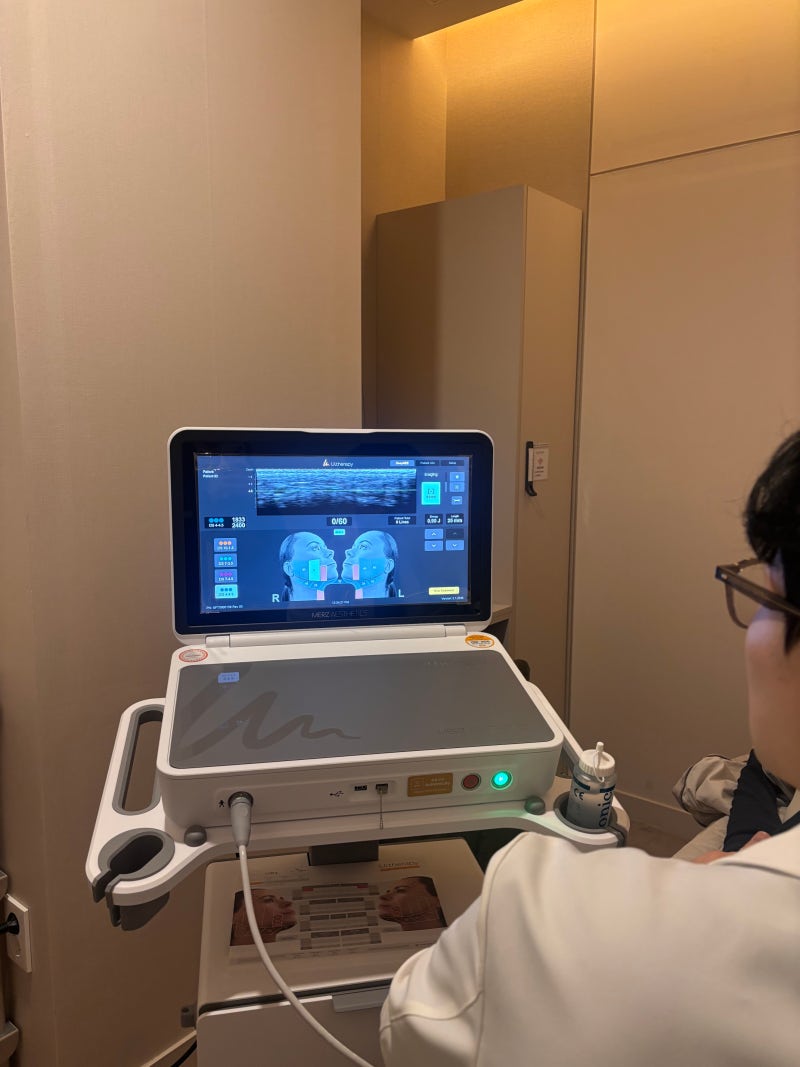
In cases of brow ptosis, we design the treatment to distribute energy to the forehead and upper brow area to lift the eyebrows. This area is close to superficial nerves, requiring skilled precision to ensure a safe distance while delivering shots, based on careful ultrasound visualization.
A 600-shot plan provides sufficient capacity to distribute energy to these detailed areas.
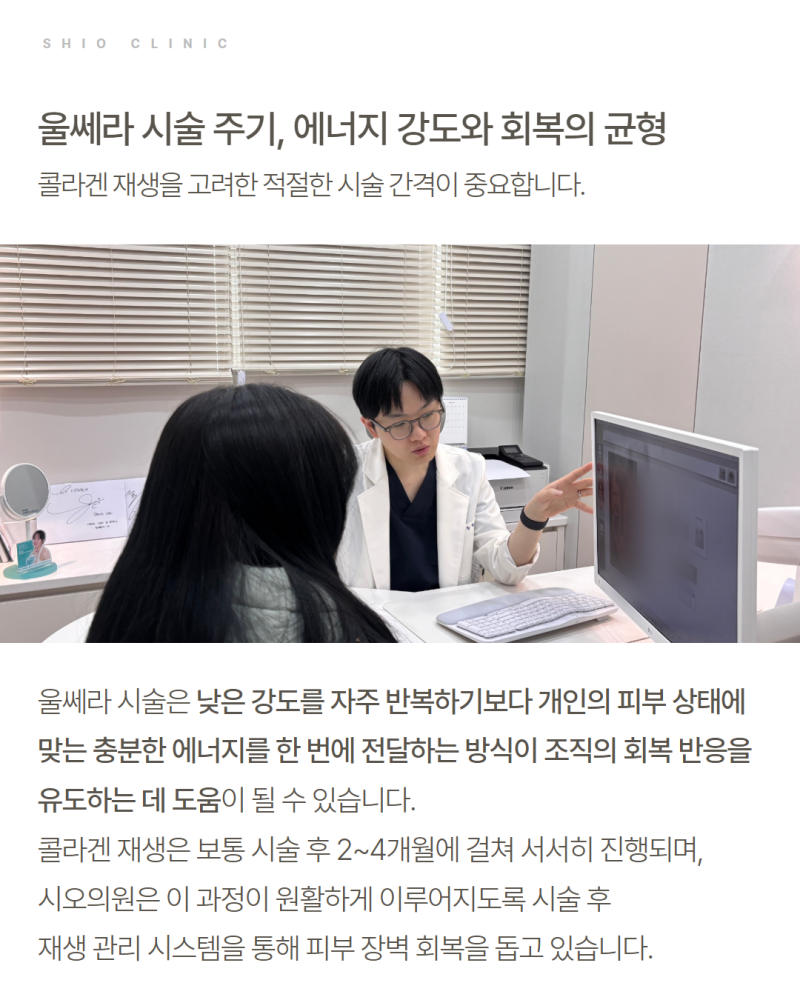
Regarding treatment intervals, delivering sufficient energy tailored to the individual's skin condition at once may be more effective in inducing tissue recovery than frequently repeating low-intensity treatments.
Collagen regeneration typically occurs gradually over 2-4 months post-treatment. Sio Clinic complements the procedure with post-treatment recovery management to aid in skin barrier restoration, ensuring a smooth regeneration process.
In conclusion, the choice between 300 and 600 shots of Ultherapy should be based on a diagnosis that considers the individual's skin elasticity and aging topography, not on cost or trends.
Avoid indiscriminate increases in shot count; accurately delivering the required energy to the necessary areas is the key to treatment satisfaction.
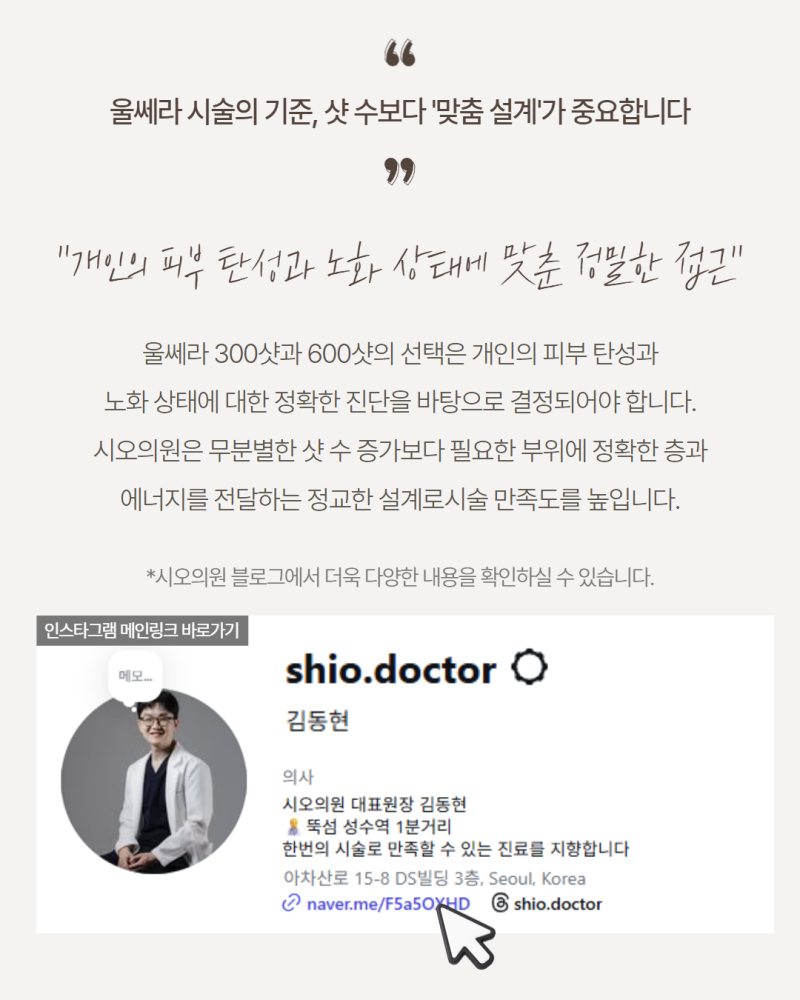
Sio Clinic complies with medical advertising laws and proposes treatment plans tailored to each patient's skin characteristics using validated equipment and precise planning.
We will continue to provide evidence-based medical care to restore your natural health, not artificial changes. We will repay the trust of those who choose Sio Clinic with honest medical practice.
Ttukseom Station Lifting
Sio Clinic's Ultherapy Prime Introduction Promotion
Experience the benefits available only at Sio in March!
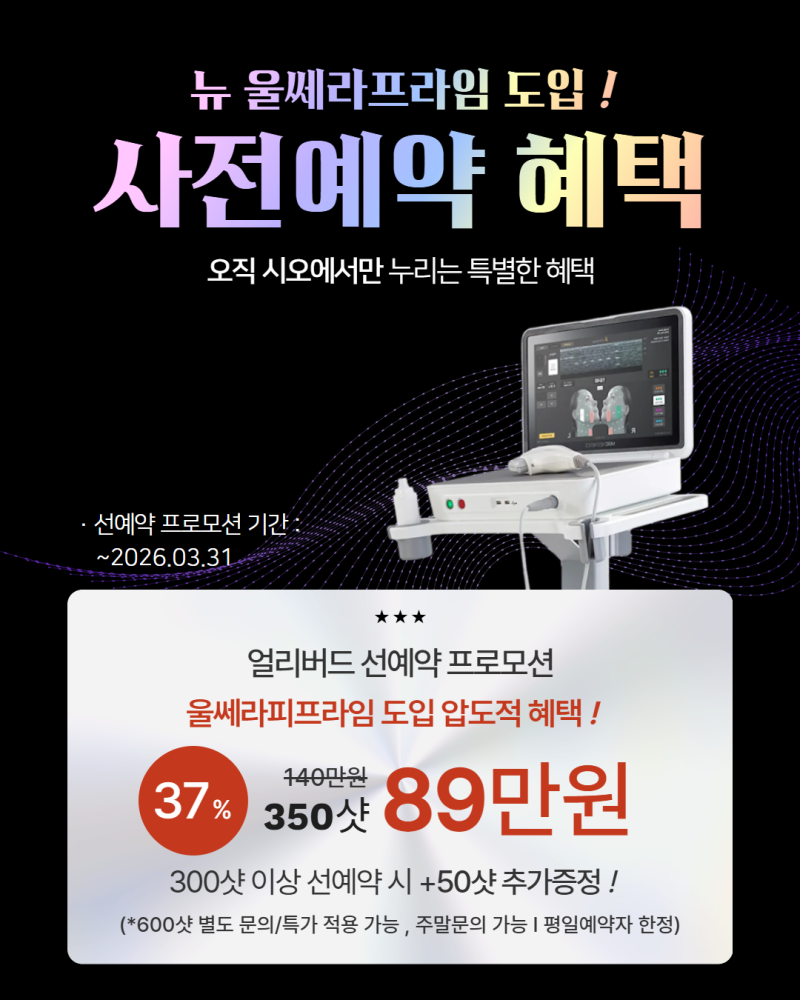
We are open on weekends, and
advance reservations receive special benefits!
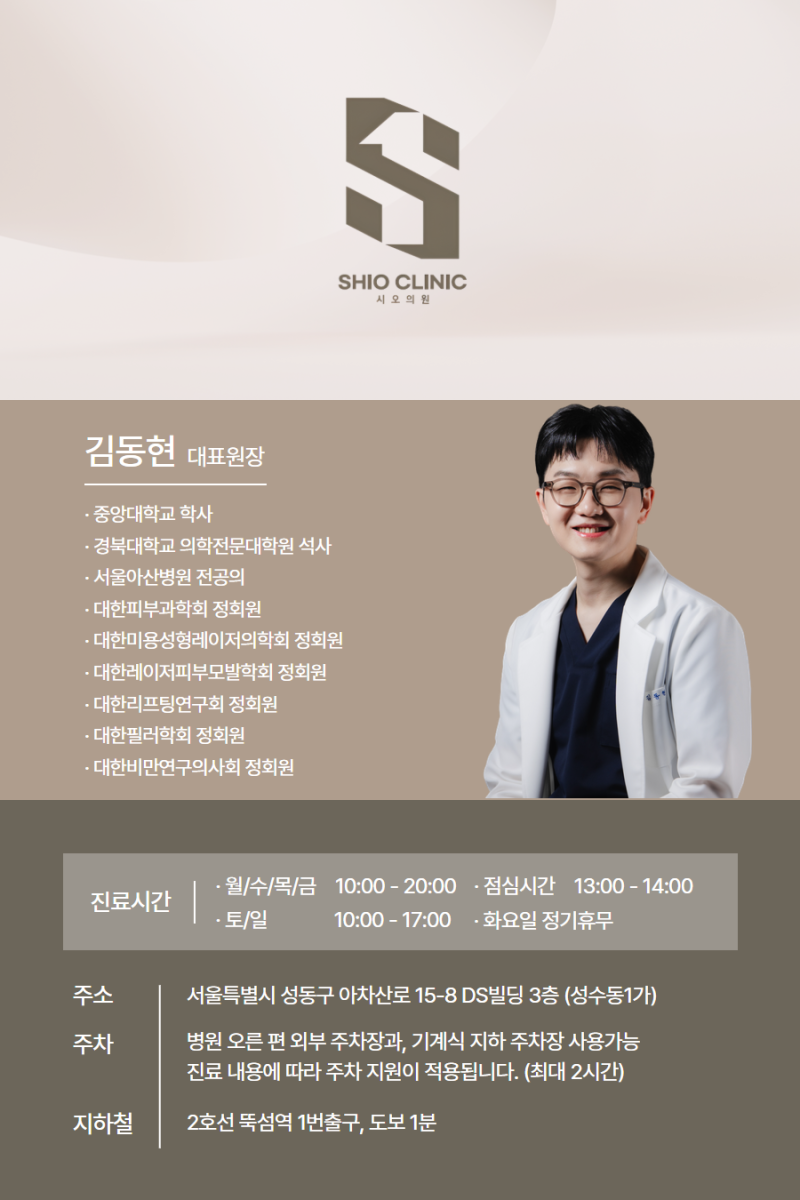
This article is adapted from SHIO Clinic's official Naver blog.
Have questions about your skin?
Book a consultation and let SHIO Clinic's diagnosis guide you to the right treatment.