
Hello! This is Dr. Kim Dong-hyun, the representative director of Sio Clinic.
Thinking of a client who visited Sio Clinic again today after a month, I'll be guiding you on Botox today.
The client came in a month ago for jaw Botox, but received the recommended salivary gland Botox.
She felt the effect of jaw Botox was always ambiguous, but finally felt the effect properly and came back.
Botox is a procedure that has become so common that almost everyone has heard of it.
Why do the results vary from person to person, time to time, and clinic to clinic?
And how should it be performed to achieve accurate results?
Many people who consult about Botox ask me exactly what kind of procedure it is.
Let me first explain how Botox works.
Botox is a drug that "inhibits muscle movement."
In other words, Botox helps reduce muscle size by limiting muscle movement, allowing the muscles to move less.
Therefore, it is effective in softening fine wrinkles and square jaws caused by muscles.
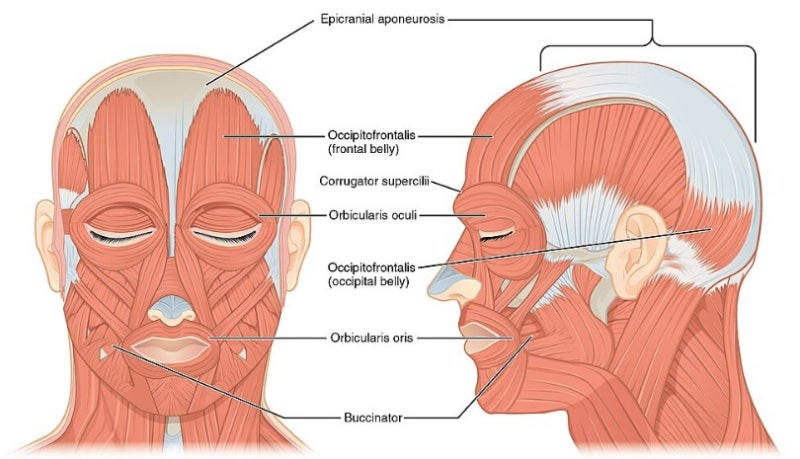
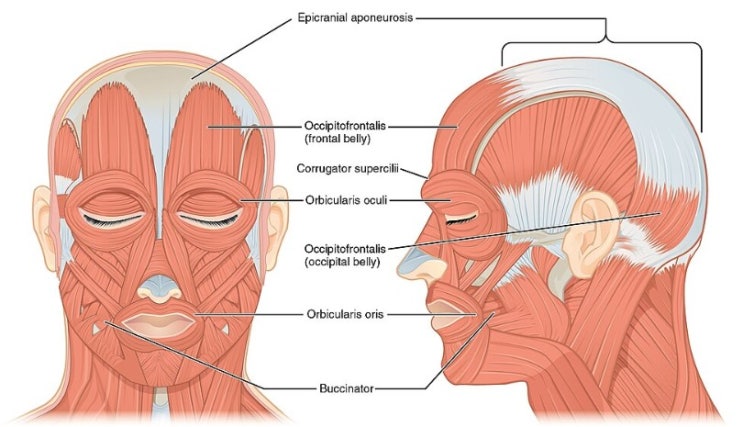
To explain further,
Many wrinkles on our face are formed through the repetitive contraction of muscles.
For example, using the forehead muscles creates forehead wrinkles, and using the frown muscles starts to create wrinkles between the eyebrows.
When smiling or frowning, the orbicularis oculi muscle around the eyes contracts, folding the skin and creating wrinkles.
Also, excessive use of the jaw muscles, such as when chewing a lot or grinding teeth, can alter the shape of the face.
In this case, Botox injections help by reducing muscle movement.
Ultimately, Botox is a procedure that softens wrinkles and lines by reducing muscle movement.
If less muscle movement is better, then Botox is the solution.

Where can Botox be injected?
Botox can be injected in most areas where there are muscles.
For wrinkle reduction, common areas include the forehead, frown lines, crow's feet, and the bridge of the nose. It can also be used for dimpled chin wrinkles, often called "orange peel chin."
It is also used to reduce muscle size in areas like the trapezius, calves, and forearms, not just the face.
The key is not simply "where to inject Botox," but to "accurately target areas where muscle movement is the problem."
To achieve this, the experience and tactile sense of the performing physician are certainly necessary, but
when necessary, it is also important to use ultrasound to examine the muscles beneath the skin to understand the thickness and location of muscles that vary from person to person!
The client who revisited, whom I mentioned earlier, was concerned about her jaw and had always received jaw Botox.
However, upon examination with ultrasound, she had very large salivary glands, which is why I recommended salivary gland Botox instead of jaw Botox.
So, how long does the effect of Botox last?
Botox is generally known to last for 3 to 6 months, but the effect varies for each individual.
Some clients have maintained the effect for over a year, while others experience it for less than 3 months.
Having performed over 10,000 Botox procedures annually, the average duration of effect seems to be around 6 months.
The effect and duration vary depending on individual muscle mass, facial expression habits, constitution, and how and by whom the procedure was performed :)
I consider Botox to be a "procedure that designs facial expressions."
Therefore, while I examine the location and thickness of muscles with ultrasound, I always check a few things before the procedure.
What are the client's facial expression habits?
What are the muscle's movement and direction?
And what is the overall balance of the face?
If you are considering Botox, why not take a look in the mirror today
and think about where you need it, along with your facial expressions :)
Sio Clinic will also be a clinic that meticulously observes expressions and muscles and performs procedures with precision.
This article is adapted from SHIO Clinic's official Naver blog.
Have questions about your skin?
Book a consultation and let SHIO Clinic's diagnosis guide you to the right treatment.