
[Seongsu/Ttukseom] Why Trapezius Botox Makes Your Back Muscles Engage Better During Exercise
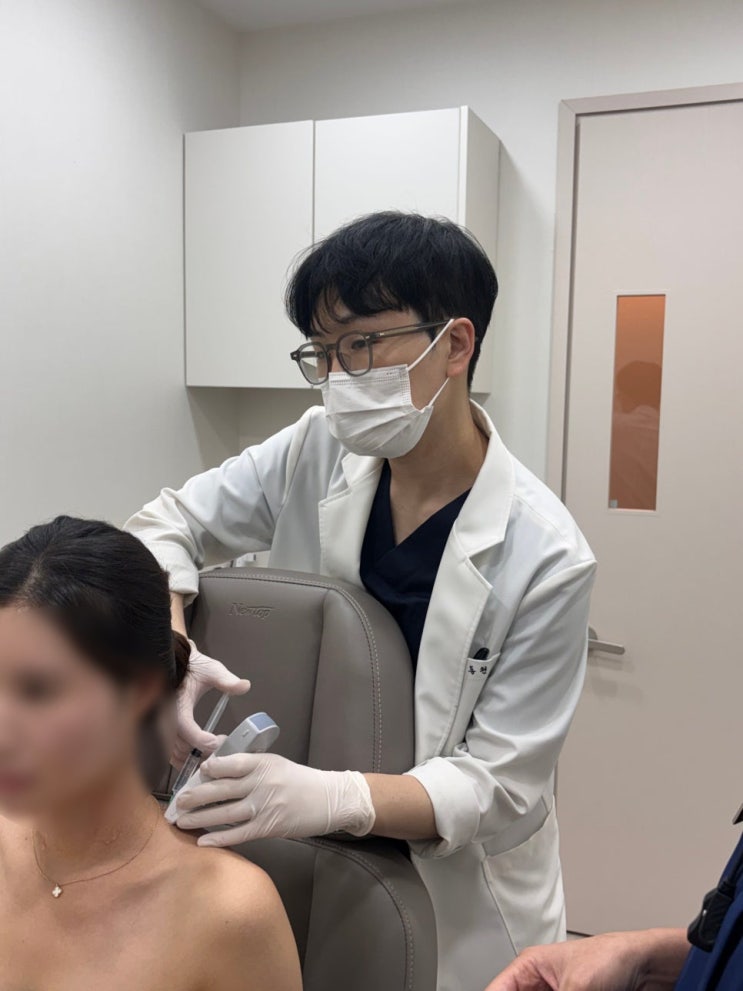
[Seongsu/Ttukseom] Trapezius Botox
Why Your Back Muscles Engage Better During Exercise
Hello. This is Sio Clinic.
Have you ever experienced your neck and shoulders getting stiff before your back during back exercises?
When doing lat pulldowns or rows, your shoulders might rise, and after the workout, you feel like only your trapezius muscles are engaged.
Conversely, some people report feeling a different sensation in their back after trapezius Botox. How should we understand these experiences?
First, it's important to distinguish between feeling the stimulus well and actually increasing muscle strength or exercise effectiveness; they are not the same thing.
Why Your Trapezius Muscles Feel Fatigued First During Back Exercises
The trapezius is a muscle that extends broadly from the neck to the upper back, divided into upper, middle, and lower sections.
It's involved not only in shrugging movements but also in the position and movement of the scapula, or shoulder blade.
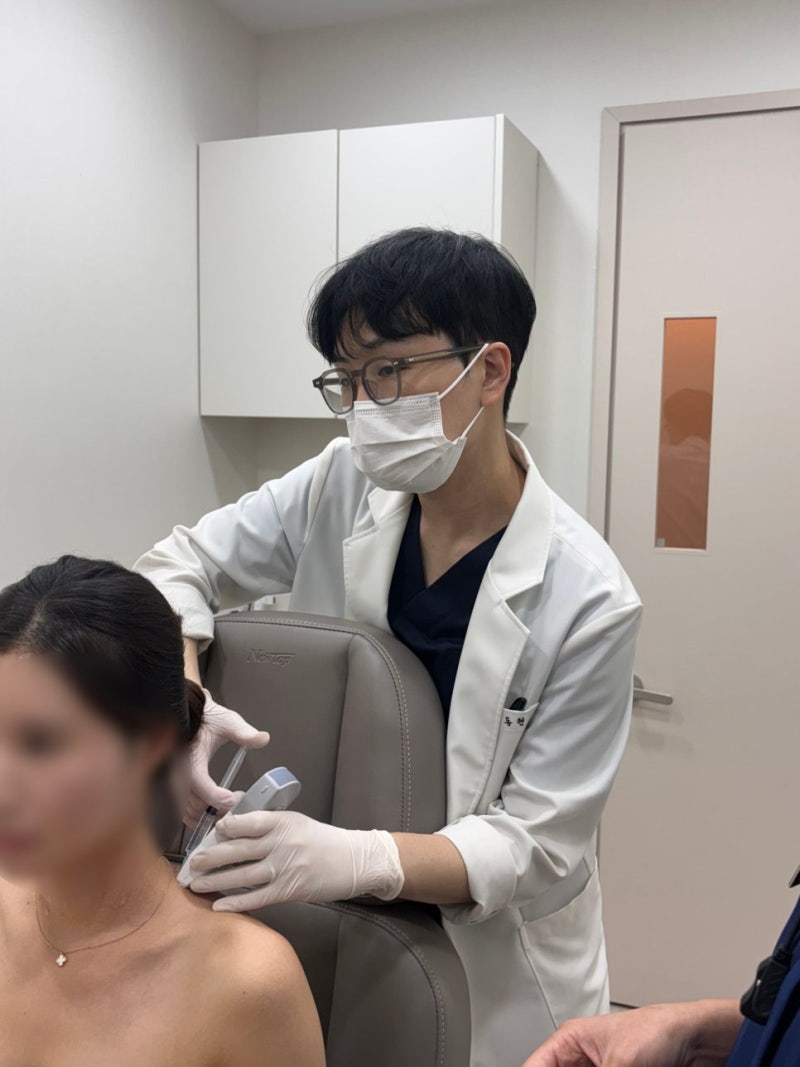
The upper trapezius works with other muscles to help rotate the scapula upwards and lift the arm.
The middle and lower trapezius also play a role
in the movement and stability of the scapula.
Therefore, the trapezius is not an unnecessary
muscle that should always be relaxed during exercise.
However, if the pattern of shrugging the shoulders excessively or tensing the neck is
repeated during pulling exercises, the upper trapezius can become noticeably fatigued.
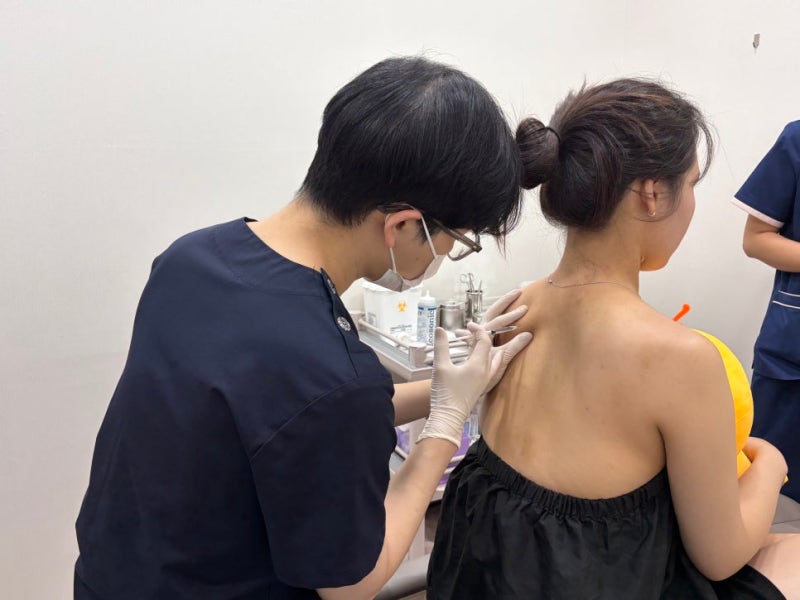
Excessively heavy weights, using momentum, and
the movement of the torso and arms should also be examined.
It's not possible to conclude that the trapezius is overdeveloped
solely because you feel less stimulus in your back.
It's important to first examine the exercise form and scapular movement to identify where the strain is occurring.
How Does Trapezius Botox Work on Muscles?
Botulinum toxin temporarily reduces muscle contraction by inhibiting the release of neurotransmitters at the junction of nerves and muscles.
When applied to the trapezius, it can cause changes in the tension and strength of that muscle.
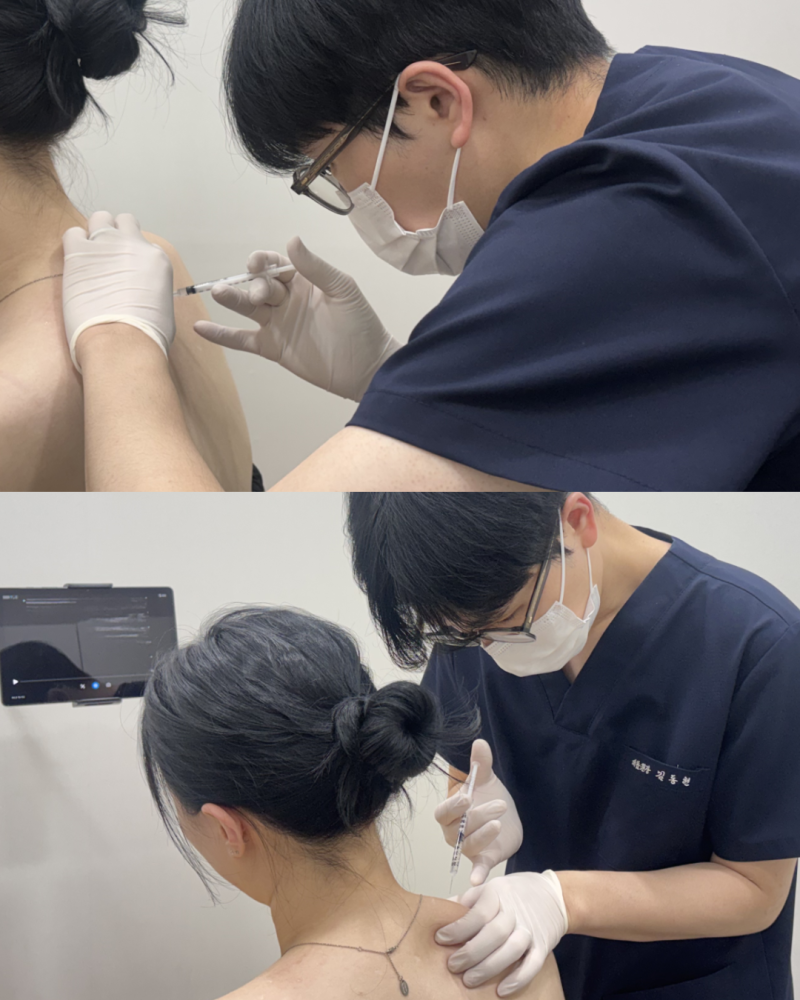
Afterward, you might feel a difference in the sensation of lifting your shoulders or tension around your neck during exercise, potentially leading you to feel the stimulus in other areas more distinctly.
Your usual exercise form, weight, fatigue level, and
any changes in your exercise method after the procedure also influence your perception.
It's difficult to attribute the change in sensation solely to Botox based on the difference felt before and after.
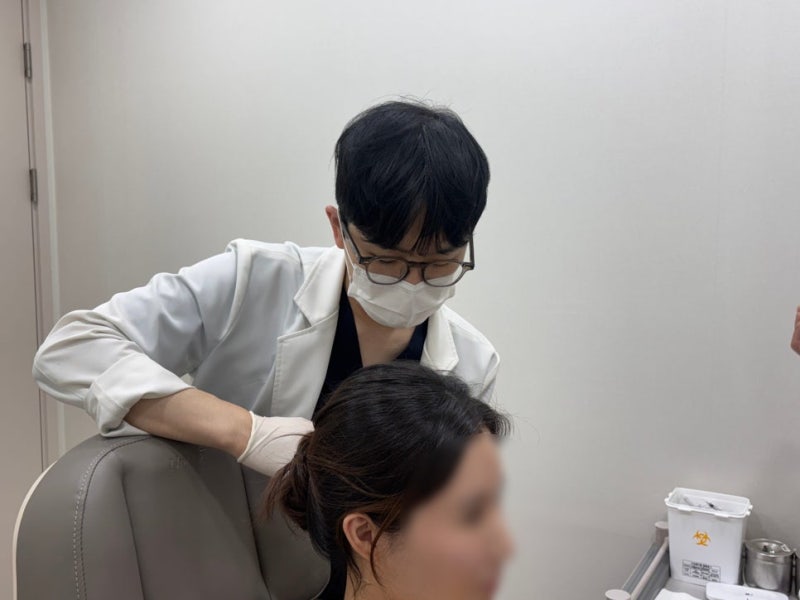
Specifically, reducing muscle contraction and
building muscle strength for exercise are different processes.
Trapezius Botox cannot be universally recommended
with the goal of improving back exercises.
Is the Feeling of 'Good Engagement' in Your Back the Same as Effectiveness?
During exercise, the feeling of a specific muscle engaging or contracting is often described as 'good engagement'.
While this sensation can be helpful for learning movements, it is not a direct measure of muscle activation or growth.
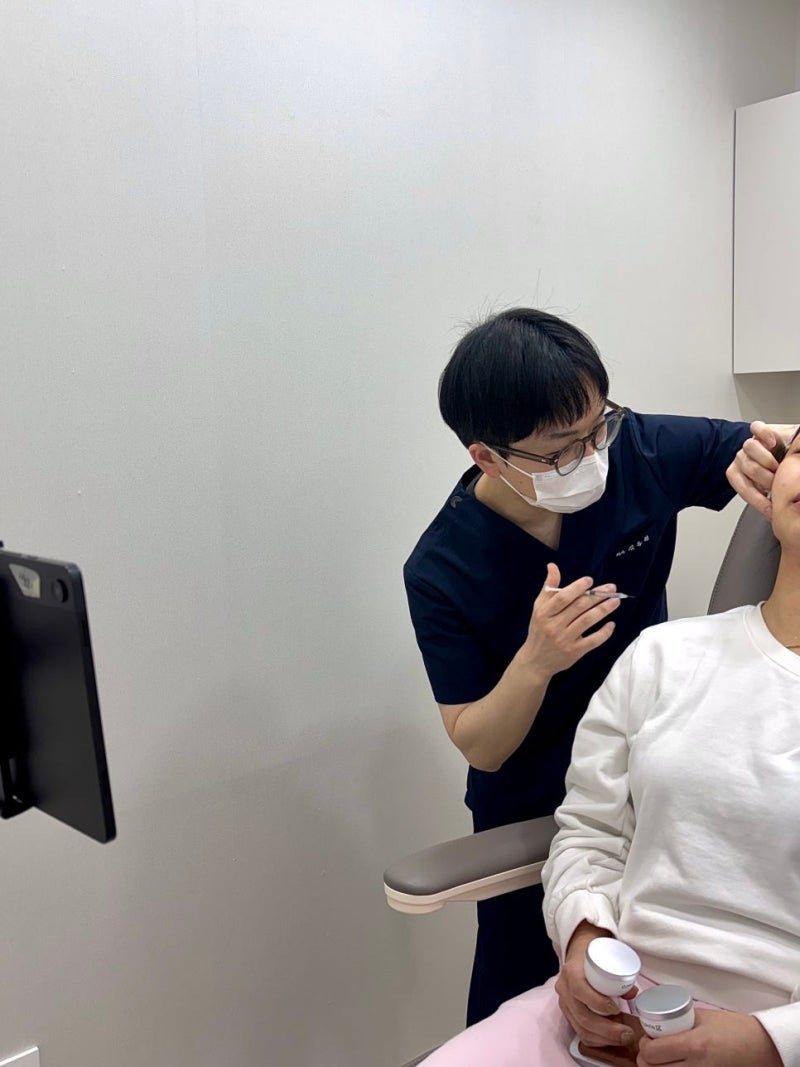
It's possible that reduced tension in your neck and shoulders allows you to
focus more on the sensation in your back, or
that you are feeling the contractions better by exercising slowly with lighter weights.
To truly assess exercise performance, one must consider
whether movements can be maintained without pain, whether repetitions are consistent in form, and
how strength and function change over time.
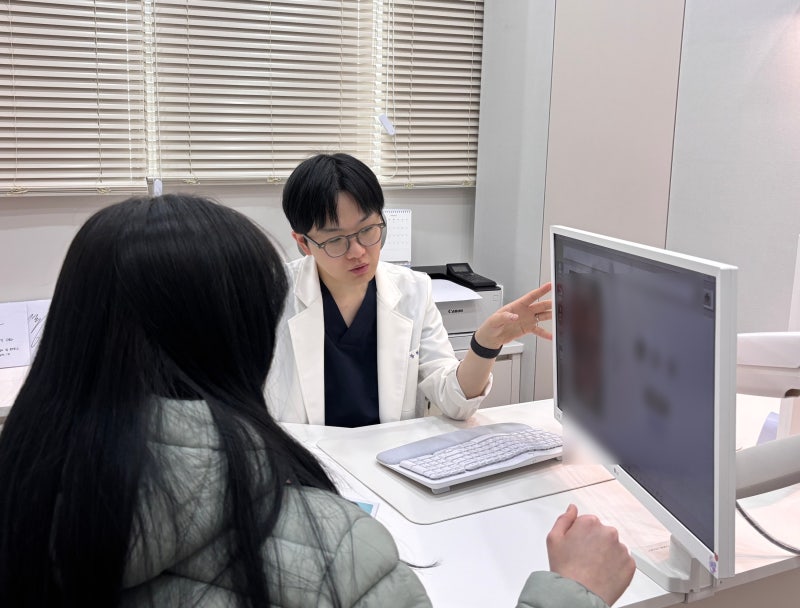
Deadlifts and squats are similar. These are compound movements involving multiple muscles, including the torso and lower body.
Just because you feel a different stimulus in your back or glutes after the procedure does not mean the function of specific muscles has improved.
Increasing weight immediately based on a stronger sensation should also be approached with caution.
Reduced Trapezius Strength Can Also Cause Discomfort
The scapula moves and remains stable through the balance and coordination of various muscles.
If the strength of the upper trapezius is excessively reduced,
it could actually lead to strain in shoulder movement and exercise performance.
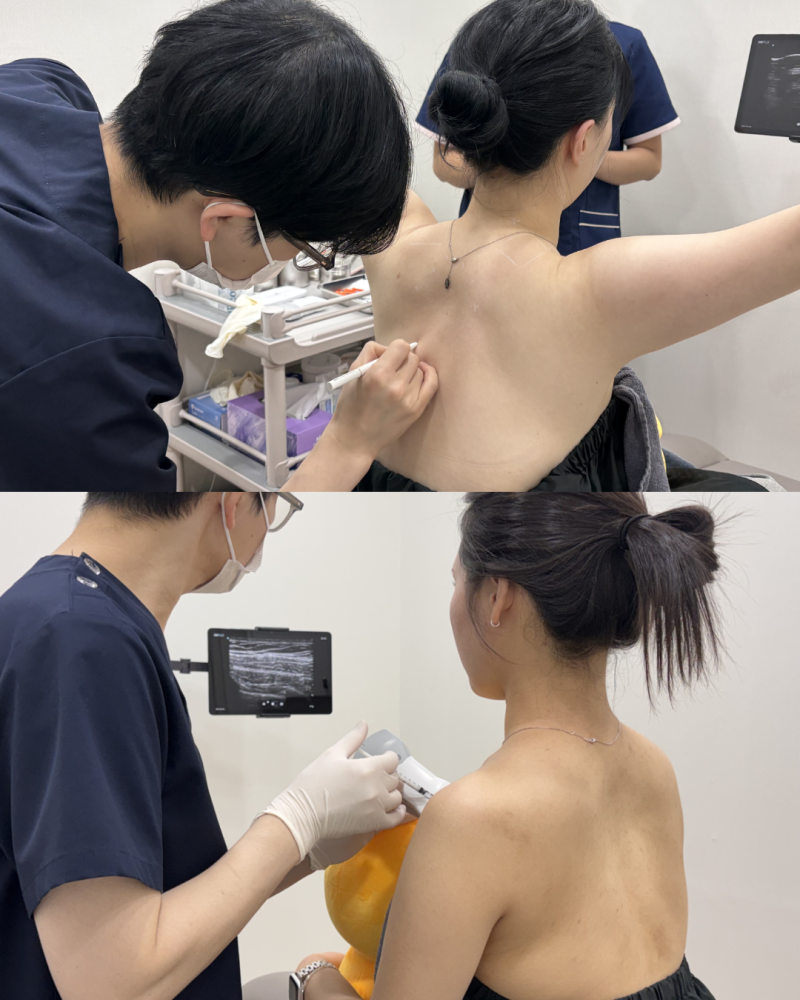
You might experience insufficient strength when lifting your arms,
a feeling of heaviness or fatigue in your shoulders,
or new types of pain.
Discomfort can also arise from changes in scapular movement, so the pattern of change needs to be observed.
Before the procedure, inform your medical provider specifically about your usual exercise type and intensity,
any existing neck/shoulder pain, and whether you have experienced muscle weakness.
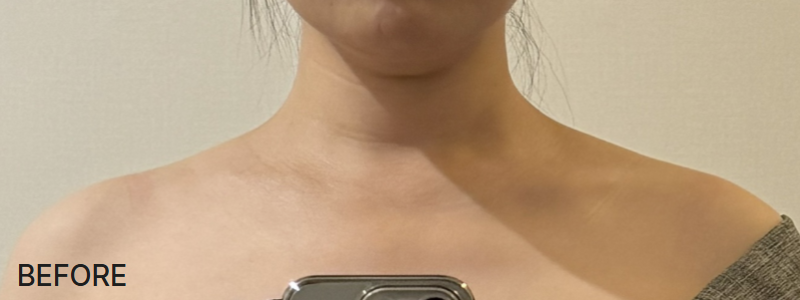
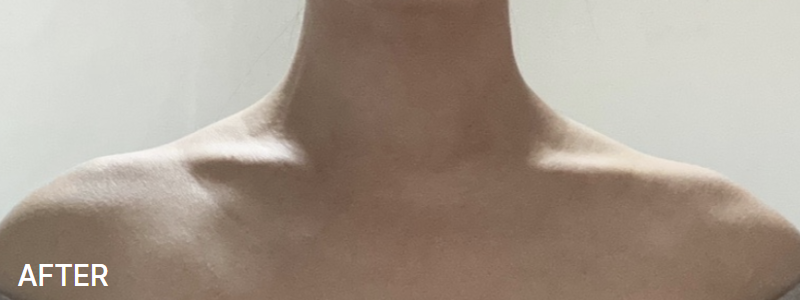
If you frequently perform heavy lifting or overhead exercises,
your exercise demands should also be considered.
The response can vary depending on the injection site, dosage, and individual condition.
Side effects such as bruising, pain, or muscle weakness may occur. If you experience difficulty swallowing or breathing problems, seek immediate medical evaluation.
How Should Exercise Be Adjusted After the Procedure?
It is best to follow your medical provider's guidance regarding the timing and intensity of resuming exercise, based on the procedure and your symptoms.
It is difficult to apply the same rest period or exercise schedule to everyone.
When resuming exercise, instead of immediately returning to your previous weight, start with lighter intensity and first check the movement of your neck and shoulders.
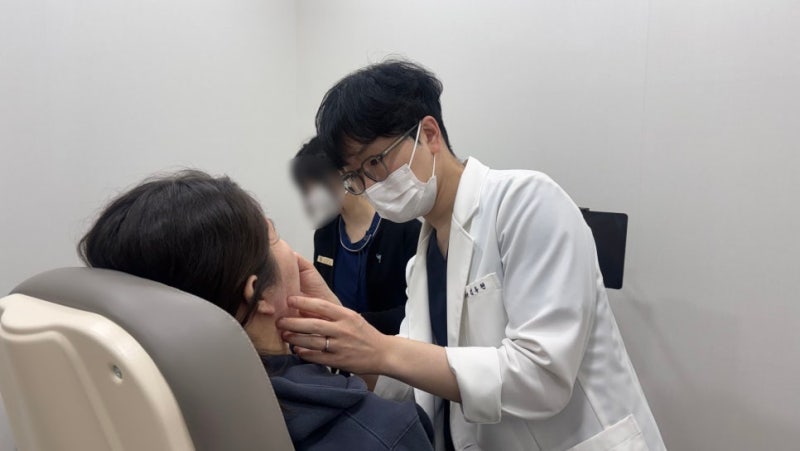
If you experience pain, significant weakness, or instability, do not force yourself to continue; have your condition assessed.
In back exercises, rather than simply pressing your shoulders down, it is important
to maintain the scapular movement required for the exercise.
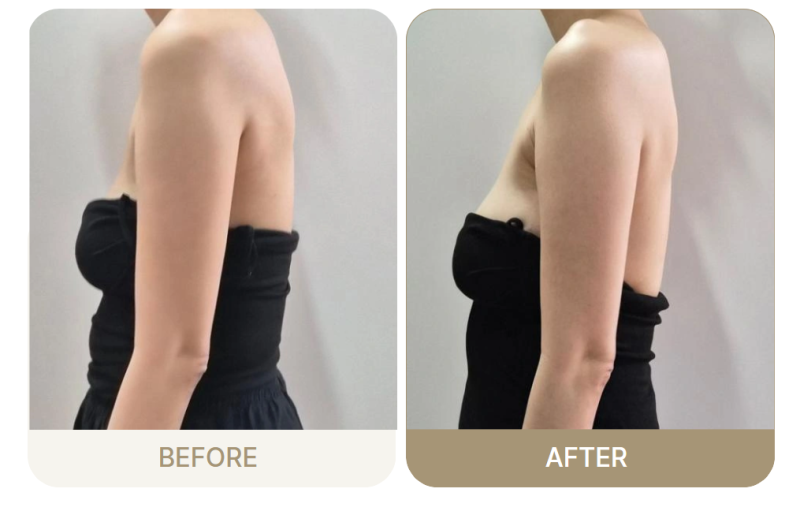
Sio Clinic believes it is important to assess the suitability of the procedure by considering not only the size of the trapezius but also
the function of the neck and shoulders, and your usual exercise habits.
While the sensation after trapezius Botox may change,
that feeling does not necessarily mean an improvement in muscle strength or exercise effectiveness.
The key to back exercises is the coordinated movement of the necessary muscles, rather than just strong stimulation.
Trapezius Botox is a procedure that temporarily reduces the contraction of that muscle.
If you are concerned about trapezius development and tension, you can consult about its applicability through an examination.
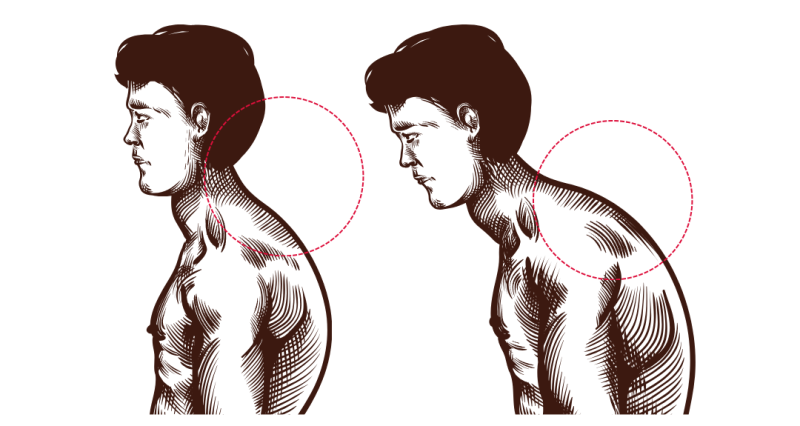
After the procedure, side effects such as muscle weakness may occur, so the exercise intensity and resumption timing should also be considered.
Start by examining the repetitive strain on your neck and shoulders during exercise,
and the condition of your trapezius muscles.
This article is adapted from SHIO Clinic's official Naver blog.
Have questions about your skin?
Book a consultation and let SHIO Clinic's diagnosis guide you to the right treatment.