
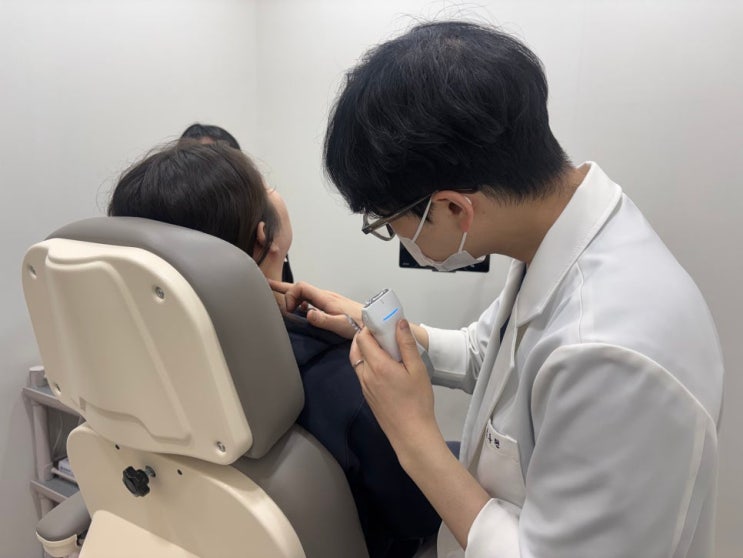
Ttukseom Jaw Botox: Do You Clench Your Teeth?
Hello. This is Sio Clinic.
Have you ever realized your jaw is tense while concentrating on work,
or felt stiffness around your jaw when you wake up in the morning?
You might be repeatedly clenching your upper and lower teeth
without realizing it.
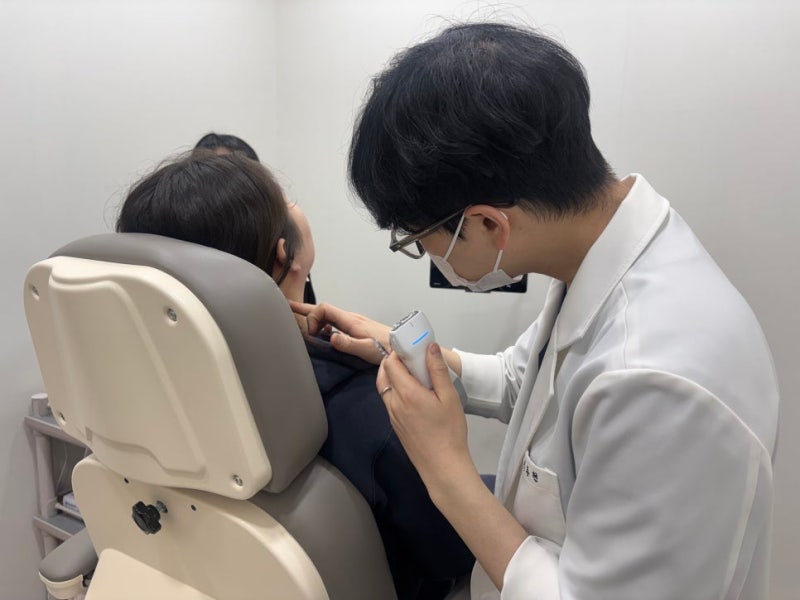
If you are considering Ttukseom jaw botox for such discomfort,
we need to examine not only the size of your jaw but also the muscle tension
and the situations where pain occurs.
Jaw botox is used to reduce the contraction of the masseter muscle,
but it does not resolve the underlying causes of teeth clenching
or correct the temporomandibular joint itself.
1. The Masseter Muscle That Engages When Clenching Teeth
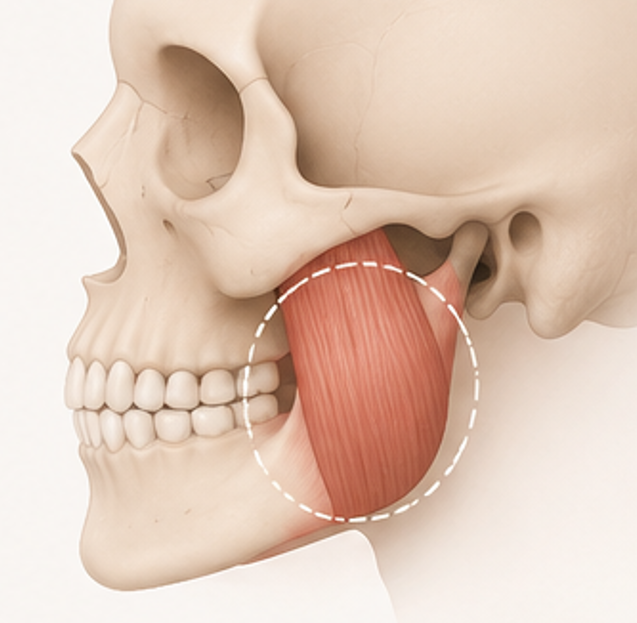
The masseter muscle is located on both sides of the lower jaw
and is involved in chewing and closing the mouth.
When you clench your teeth tightly, you can feel
the sides of your jaw harden, which is the masseter muscle contracting.
While this movement is necessary for chewing,
repeated strong force even when not eating can strain the jaw muscles.
Teeth clenching can occur both when awake
and during sleep.
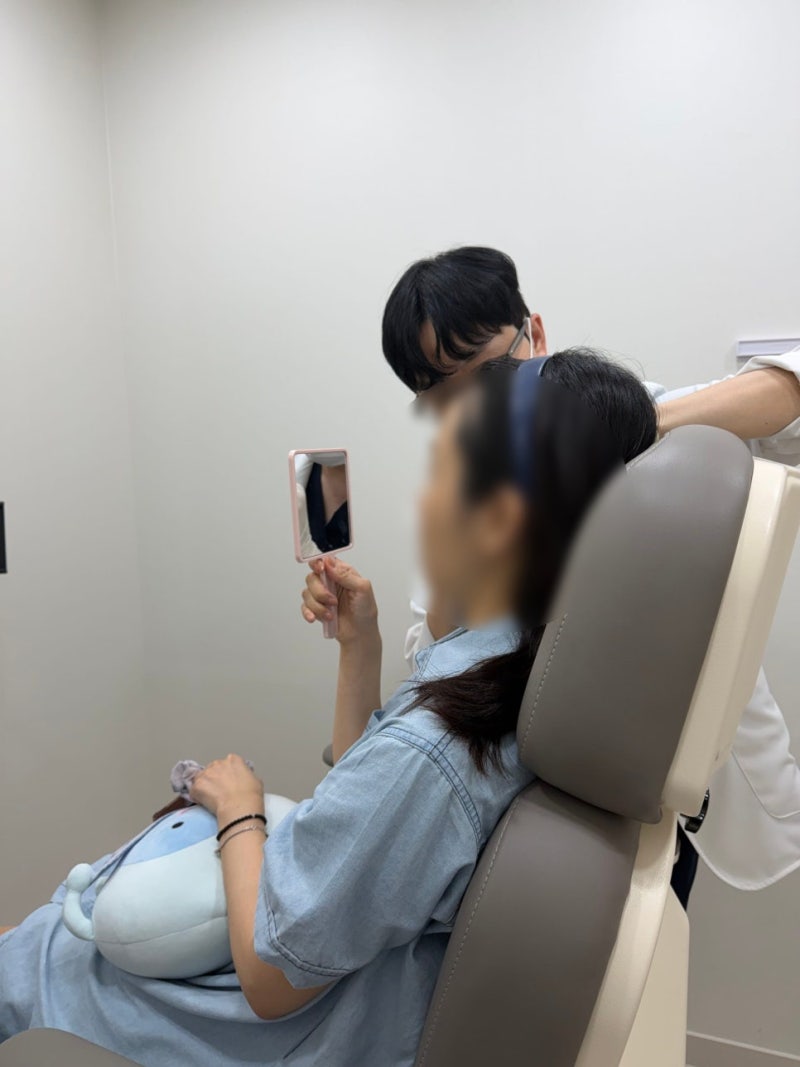
During the day, it may occur when concentrating or tense,
and at night, it can happen without you realizing it.
However, jaw stiffness in the morning alone
does not confirm bruxism during sleep.
It requires an assessment of your dental condition, symptoms,
and sleep-related information.
Before considering Ttukseom jaw botox,
it is important to check not only if the masseter muscle is developed
but also in what situations your jaw tenses up.
2. Jaw Stiffness Has Various Causes
Discomfort around the jaw can be related to various issues
other than muscle tension, such as dental problems or TMJ disorders.
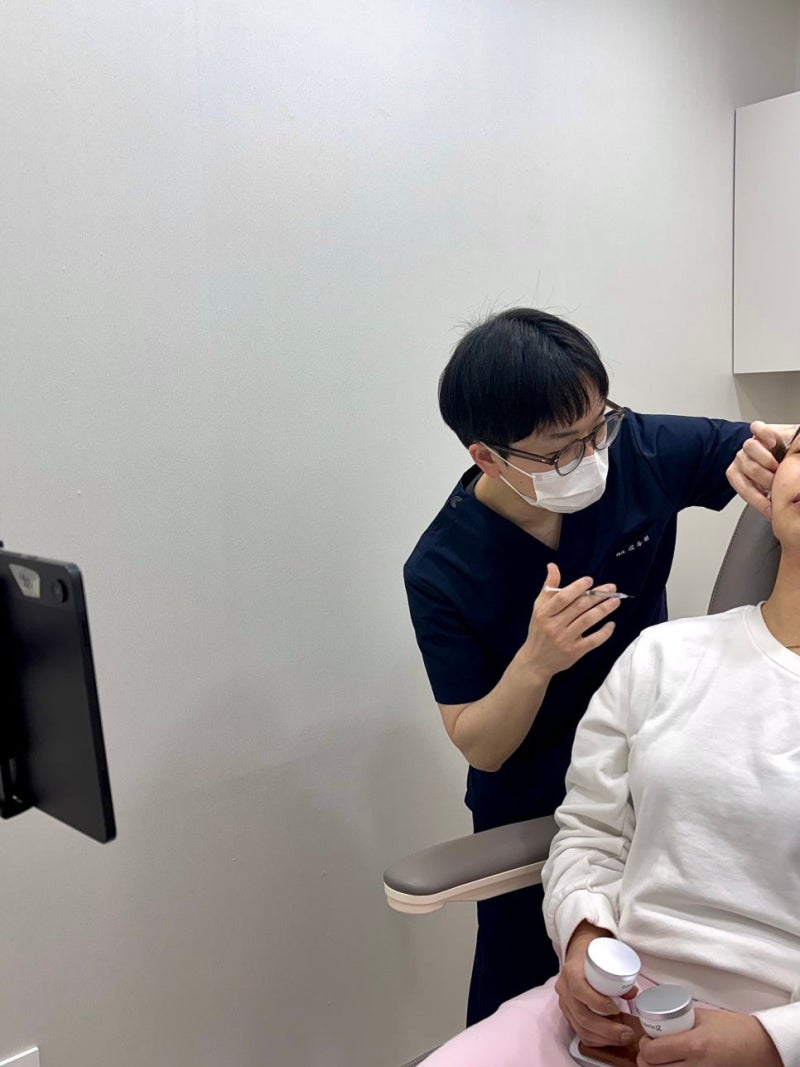
✔ Check if your jaw sides easily fatigue when clenching,
if you feel stiffness around your jaw and temples after waking up,
and if you experience discomfort while chewing.
✔ If you hear clicking sounds in your jaw joint when opening your mouth,
or if your jaw gets stuck and you can't open it fully,
your temporomandibular joint condition needs to be evaluated along with your muscles.
✔ If your teeth are sensitive or the chewing surfaces are worn down,
or if your teeth have cracks or chips,
you should get a dental examination to check for damage.
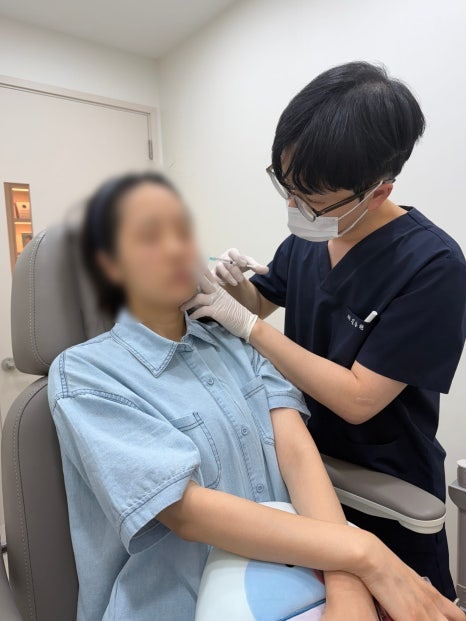
When looking for information on Ttukseom jaw botox,
it is best not to approach it by simply thinking
“if my jaw hurts, I should get botox.”
The management approach will differ depending on whether
excessive muscle contraction is the main issue or if separate treatment is needed for teeth and joints.
If your jaw locks or pain intensifies,
prioritize evaluating the cause over booking a procedure.
3. What Role Does Jaw Botox Play?
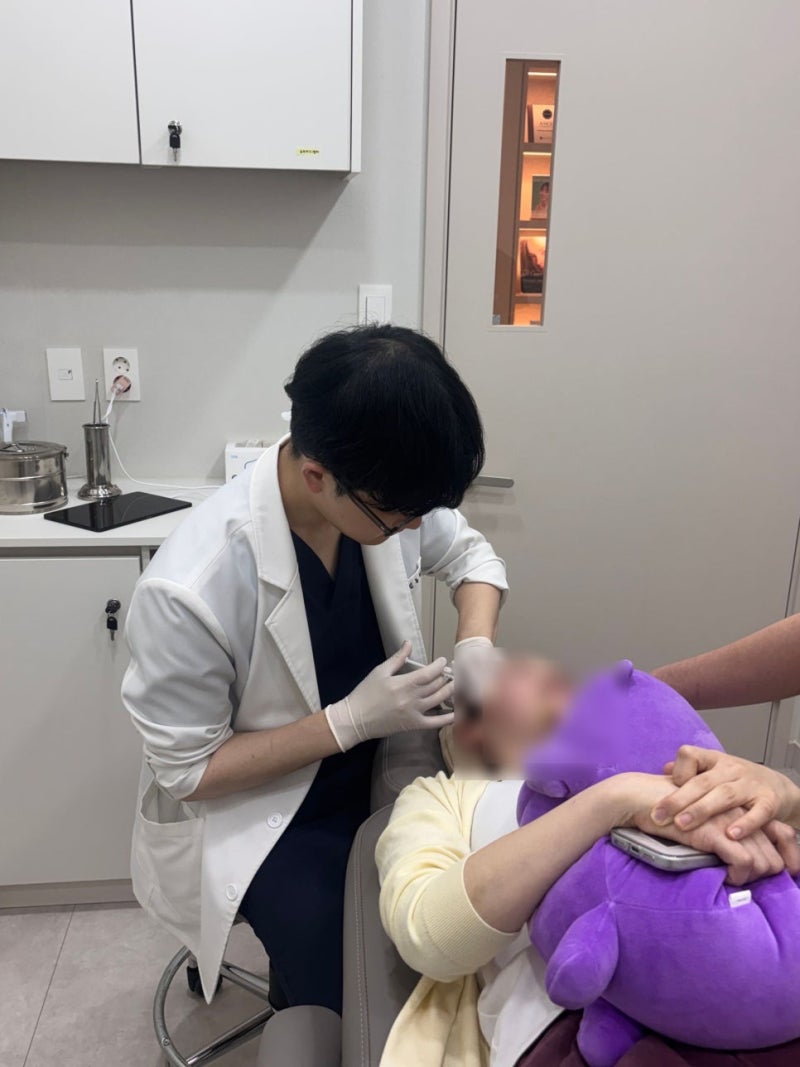
Botulinum toxin temporarily inhibits the signals
from nerves to muscles, reducing contraction.
When applied to the masseter muscle, it can reduce chewing force,
and in some patients, it may be considered to alleviate discomfort
associated with excessive muscle activity.
If the masseter muscle is enlarged, making the sides of the jaw appear prominent,
the muscle volume may decrease over time,
potentially leading to changes in facial contour.
However, facial width is not solely determined by muscles.
Jawbone, fat, and skin laxity also play a role,
so the results can vary even with the same dosage.
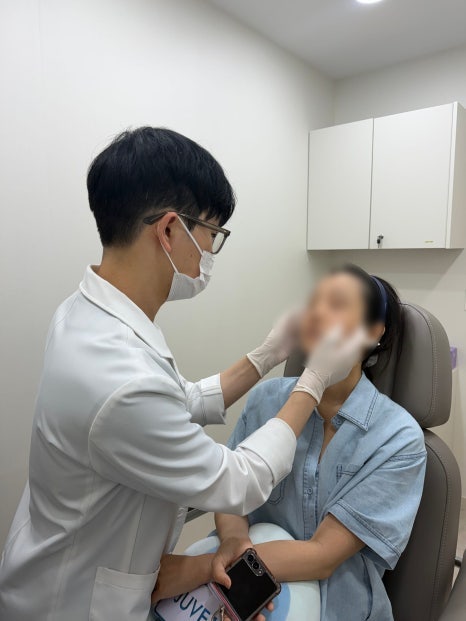
During Ttukseom jaw botox consultations,
please first specify whether your goal is contour improvement
or alleviating muscle strain from teeth clenching.
The application for bruxism or teeth clenching
may differ from the approved indications of the product used.
Therefore, explanations regarding the purpose, evidence, and alternatives are necessary.
Even if muscle strength decreases, the habit itself may not disappear,
nor will all dental damage be prevented.
If dental protection is needed,
you can consult a dentist to assess the necessity of an oral appliance or other treatments.
4. Muscle and Facial Condition to Check Before Dosage
The treatment plan is determined by considering the size and thickness of the masseter muscle,
differences between the left and right sides, existing chewing function,
facial volume, and skin condition.
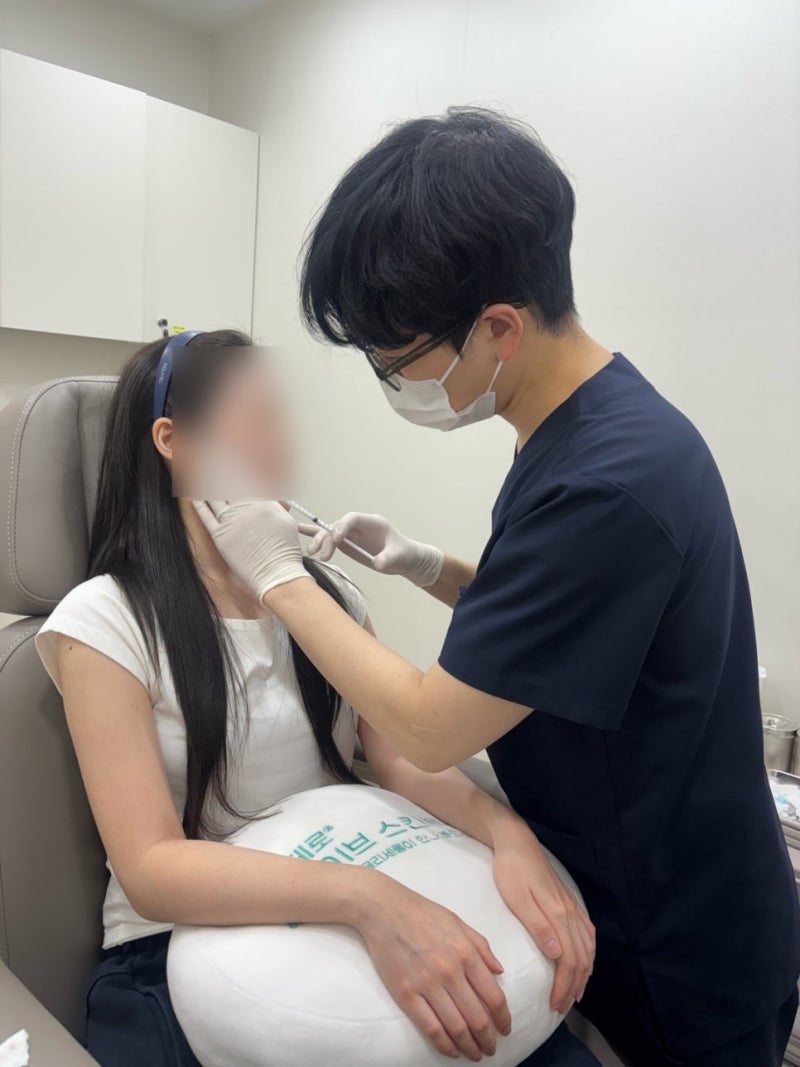
✔ Simply increasing the dosage because the jaw is large
or repeating treatments frequently due to discomfort
may not be appropriate.
✔ After Ttukseom jaw botox treatment,
potential side effects include pain, bruising, or swelling at the injection site,
and temporary reduction in chewing force.
✔ If surrounding muscles are affected,
facial expressions may change when smiling, or asymmetry may occur.
Also, sunken cheeks or sagging may become more noticeable.
✔ Repeat treatments should be decided after reviewing
the date of the previous treatment, the product used,
its effectiveness, and any discomfort experienced.
✔ The onset and duration of effects vary individually,
so it is difficult to set a fixed interval.
✔ Please inform us if you have any neuromuscular diseases, difficulty swallowing,
are pregnant or breastfeeding, or are taking any medications.
✔ If you experience difficulty swallowing or breathing after the procedure,
seek immediate medical attention.
5. Lifestyle Management to Relax Your Jaw
If you clench your teeth while awake,
the first step is to become aware of the habit.
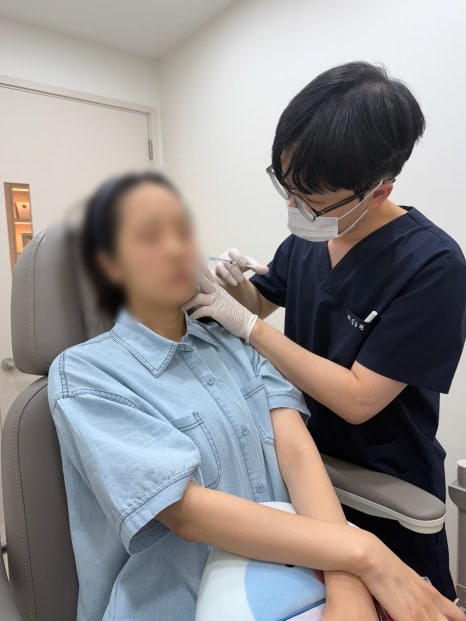
✔ Set short reminders on your computer or phone
to check if you are clenching your jaw.
✔ In a relaxed state when not eating,
it is advisable to gently release tension in your jaw
so that your upper and lower teeth are not constantly touching.
✔ While experiencing jaw stiffness, reduce prolonged chewing
of gum or tough foods.
✔ Avoid repeatedly clenching your jaw to "train" it,
or strongly massaging the affected area.
✔ If you suspect bruxism during sleep,
check your sleep habits and dental condition.
If you have severe snoring or sleep apnea issues,
discuss related evaluations.
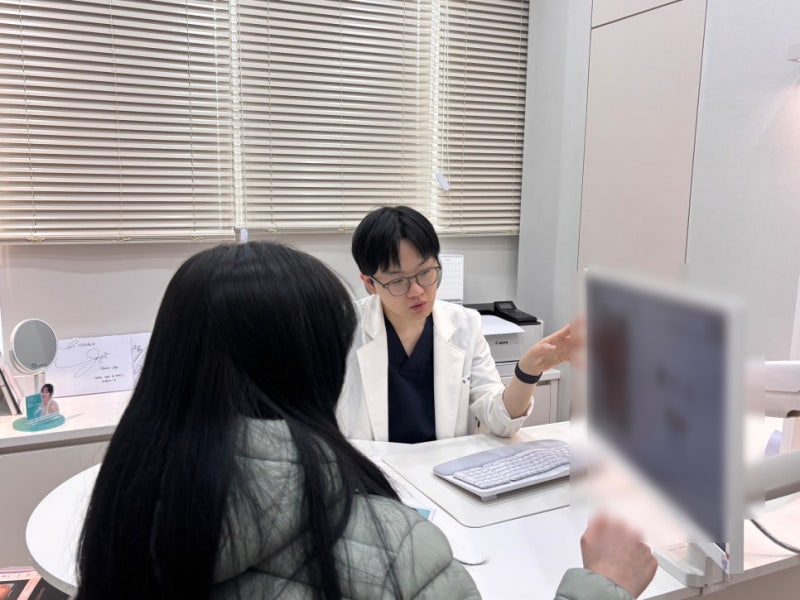
Consult with Sio Clinic to examine your masseter muscle and facial condition
and discuss the management plan that is right for you.
The starting point for managing repeated jaw tension
is to consider both the muscle condition and your lifestyle habits.
This article is adapted from SHIO Clinic's official Naver blog.
Have questions about your skin?
Book a consultation and let SHIO Clinic's diagnosis guide you to the right treatment.