
Seongsu Hilo Wave, Improving a Peanut-Shaped Face? The Key to the Serf Combination
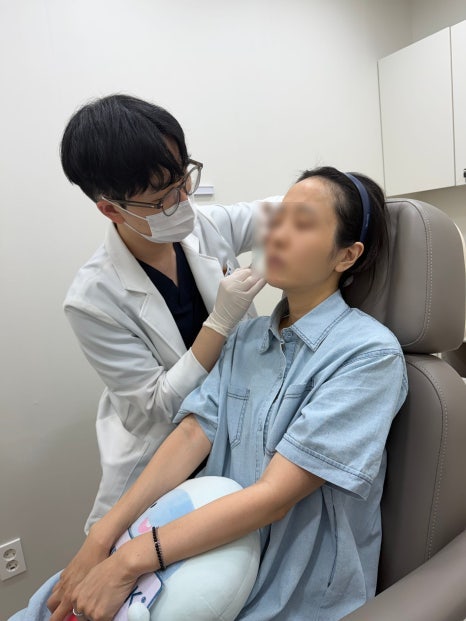
Seongsu Hilo Wave, Improving a Peanut-Shaped Face?
The Key to the Serf Combination
Hello. This is Sio Clinic.
Do your cheekbones appear prominent from the front,
your cheeks below the cheekbones sunken,
and the area around your jaw feel heavy?
This appearance, where the facial contour goes in and out,
is commonly called a 'peanut-shaped face.'
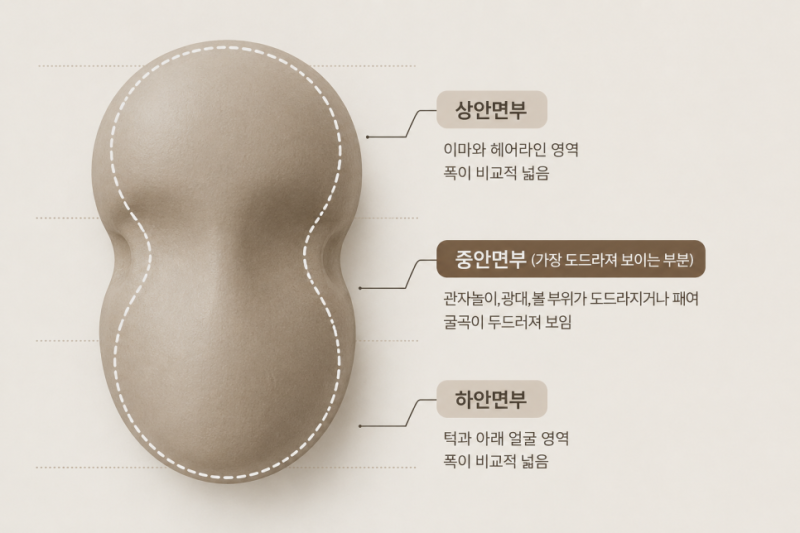
A peanut-shaped face is a term describing an appearance created by a combination of sunken temples, the bone structure of the cheekbones,
fat distribution in the cheeks, and sagging of the lower tissues.
Therefore, rather than approaching it by filling the face overall
or repeatedly performing lifting procedures,
it is necessary to first distinguish which areas are sunken and which appear to be sagging.
In Seongsu Hilo Wave treatments,
when considering the concurrent use of Serf,
we also examine the overall facial structure and connections.
A Peanut-Shaped Face May Not Be Solely a Cheekbone Issue
Just because the cheekbones appear large
does not necessarily mean the cheekbones themselves are large.
If the temples are sunken or there is a lack of volume below the cheekbones,
due to the difference in height with the surrounding areas,
the cheekbones may appear relatively prominent.
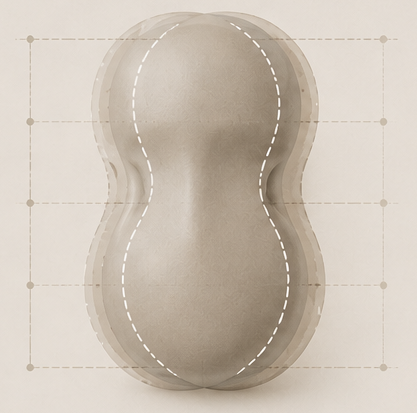
If, in addition, the tissues around the lower cheeks and jawline sag,
the middle of the face may appear narrow and the lower part wide,
making the contours of the outer face more pronounced.
Conversely, there are cases where the original bone structure has a significant influence,
or where fat volume has decreased due to weight loss.
Even if they appear to have the same peanut-shaped face,
the tissues that need improvement may differ.
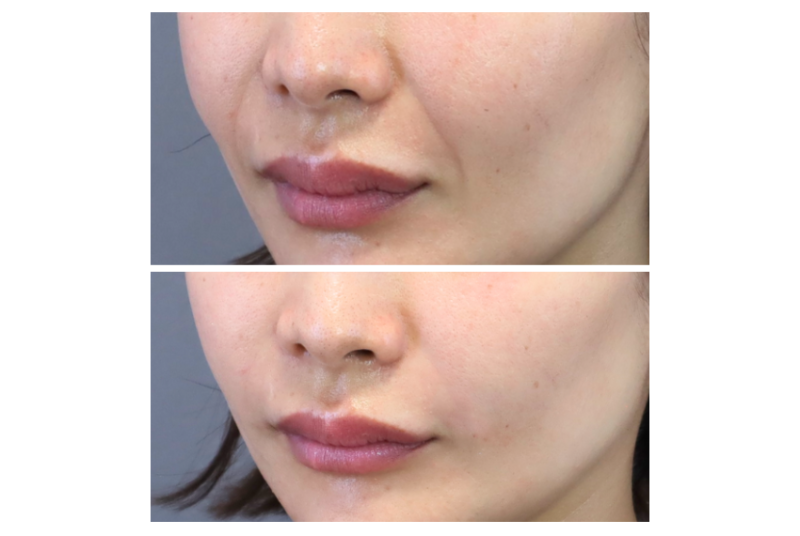
During Seongsu Hilo Wave consultations,
we examine not only the front view but also oblique and side views,
as well as the appearance when making expressions.
Since it is not possible to reduce the width and shape of the cheekbones
solely through filler injections or radiofrequency alone,
it is important to distinguish between areas that can be improved and their limitations.
Hilo Wave: Role in Examining Wrinkles and Tissue Condition
Hilo Wave is a tissue-augmenting biomaterial
primarily composed of hyaluronic acid.
Its purpose is to temporarily
improve facial wrinkles.
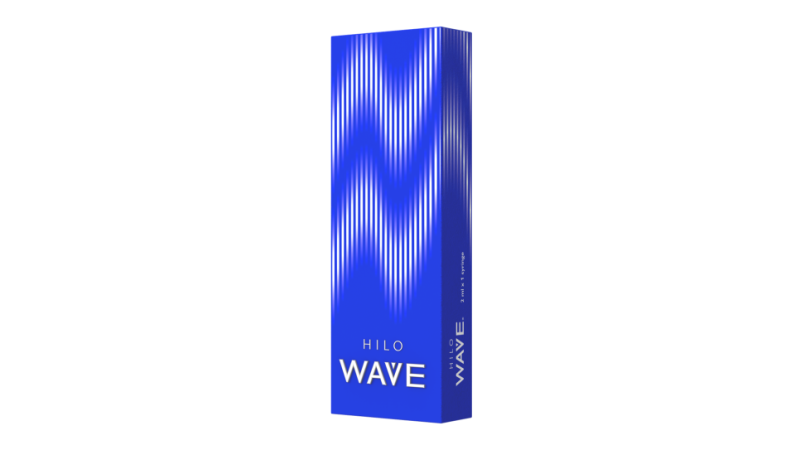
Hyaluronic acid has the property of retaining moisture,
but injection procedures should not be misunderstood
as simple hydration management.
Depending on the formulation, injection site, and amount used,
it can affect wrinkles and tissue volume,
so skin thickness and existing volume are considered together.
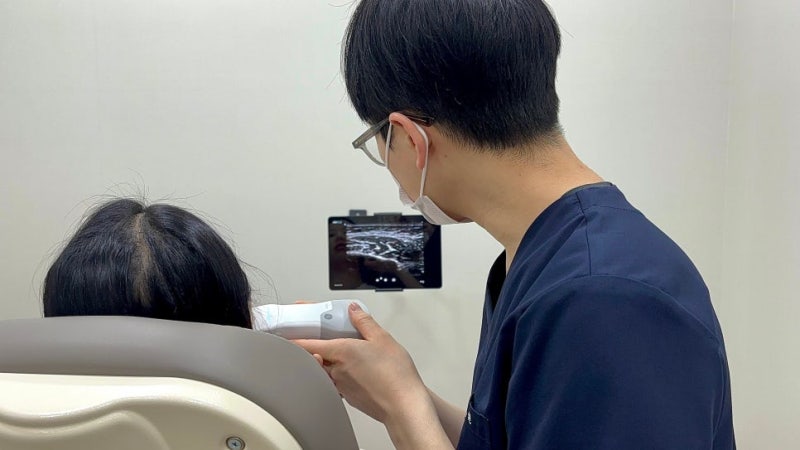
In Seongsu Hilo Wave procedures as well,
rather than injecting into all sunken areas,
the suitability of the area, the product's intended use,
and its relationship with the surrounding contours must be considered.
Especially depending on whether the sunkenness in the temples or below the cheekbones
stems from bone structure or fat distribution,
a different approach may be necessary.
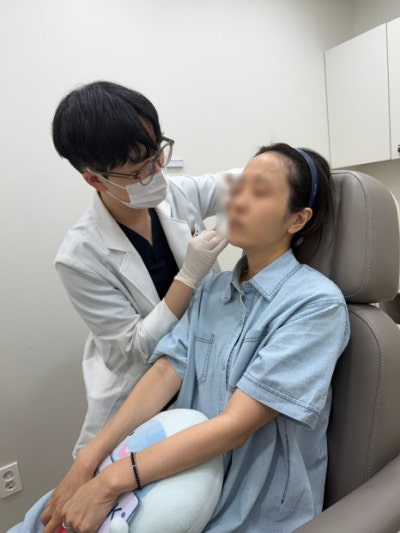
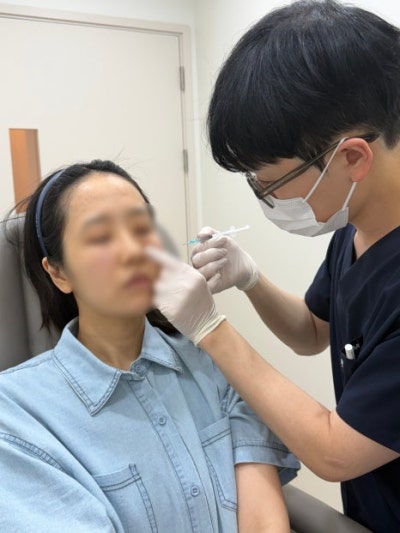
Serf: An Approach That Also Addresses Lower Sagging
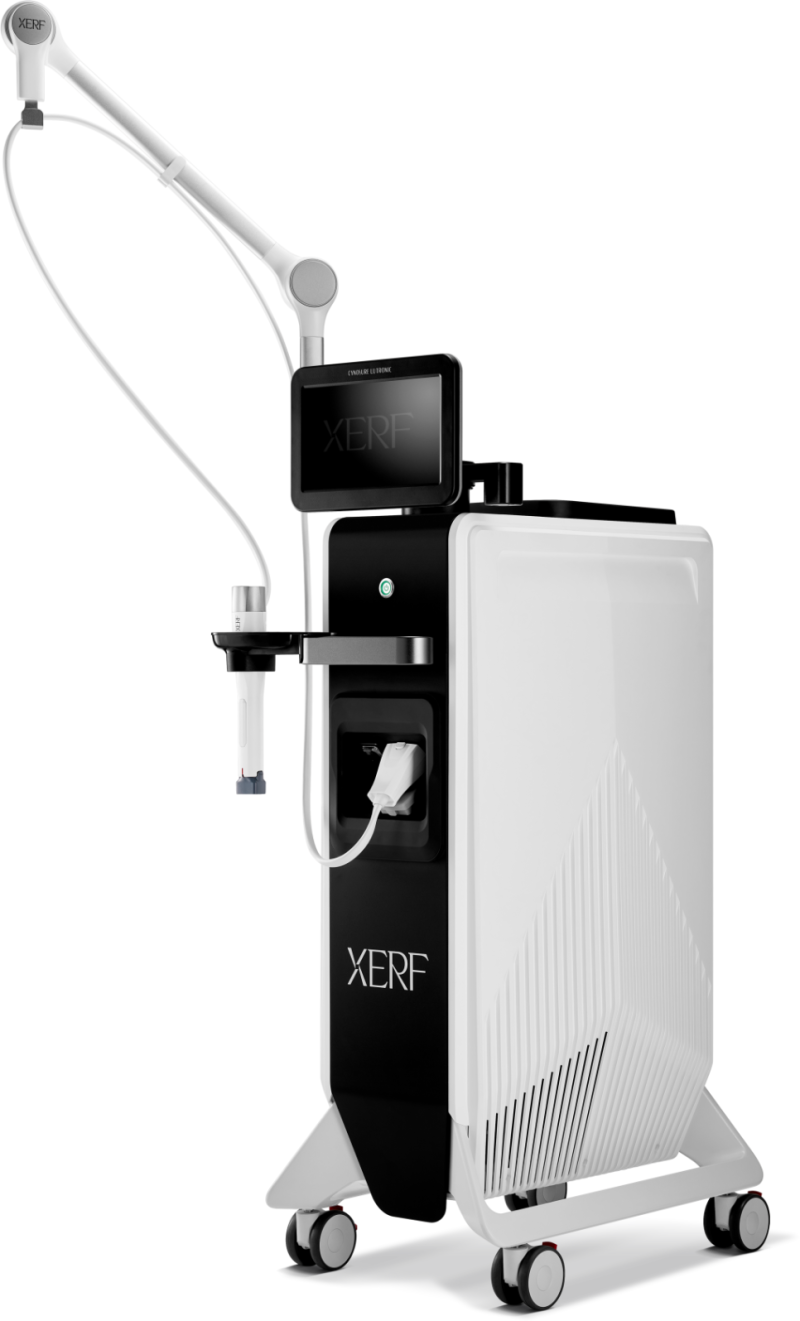
Among those concerned about a peanut-shaped face,
many experience sunken cheeks along with a blurred jawline.
At this point, if only the sunken areas are filled,
the heavy impression of the lower face may remain,
and conversely, if only elasticity is managed,
the lack of volume may not be resolved.
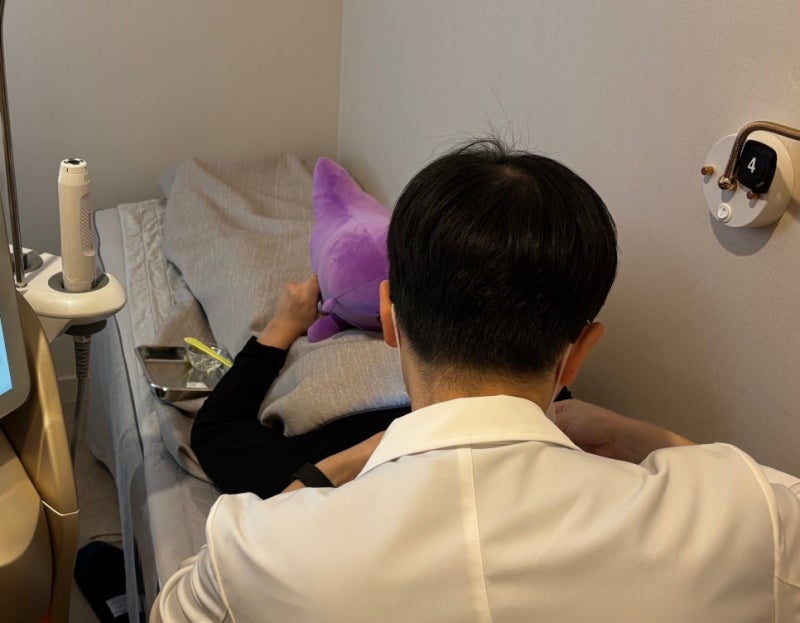
Serf is a device that delivers heat energy
to the tissues through monopolar radiofrequency.
It utilizes frequencies of 6.78MHz and 2MHz,
and the application conditions are adjusted according to the mode and settings.
However, it is necessary to first determine
whether the blurred jawline is due to skin laxity,
or the influence of fat or bone structure.
In the concurrent use of Seongsu Hilo Wave and Serf,
we also differentiate between areas to be supplemented with injections
and areas to be managed with thermal energy.
For those with thin cheeks, in particular,
it is important to carefully plan
the tissues to be preserved and the treatment area.
Improving a Peanut-Shaped Face: Should We Fill a Lot and Pull Strongly?
Facial contours do not exist in isolation.
The overall connection from the temples to the cheekbones,
cheeks, and jawline affects the impression.
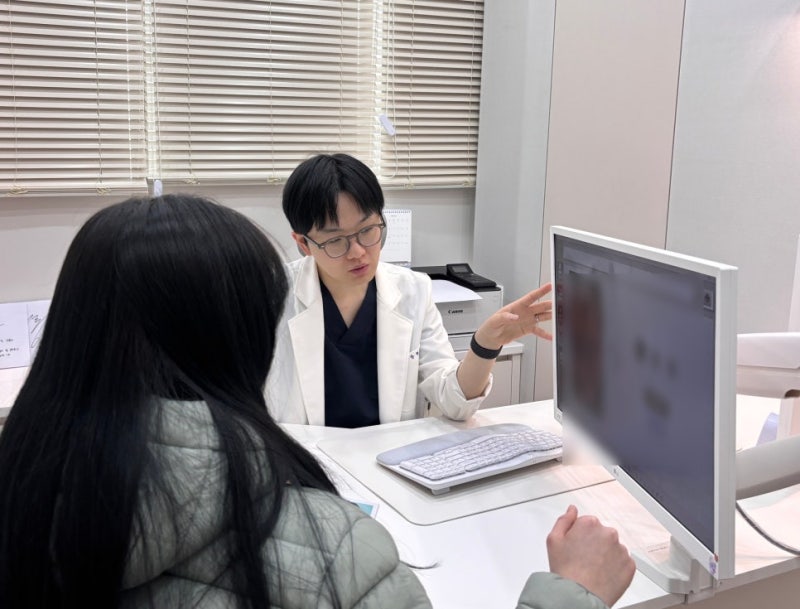
Overfilling sunken areas
can make the face appear wide or heavy,
and the original contours and expressions
may become unnatural.
Therefore, the goal is not to eliminate all contours,
but to assess the height and proportions of each area
and determine the necessary changes.
Hilo Wave and Serf: Reasons for Considering Them Together
A peanut-shaped face can appear with pronounced contours
due to sunkenness around the cheekbones
and sagging of the lower cheeks.
In this case, Hilo Wave and Serf
can be considered together to complement
different aspects: wrinkle and tissue volume for Hilo Wave,
and skin elasticity for Serf.
Hilo Wave complements wrinkles and
tissue volume in the treated area,
while Serf focuses on
tightening and elasticity management of loose skin.
If combined after confirming individual suitability,
we can address both sunken and sagging areas,
aiming for a smoother transition
in the contour from the cheekbones to the cheeks and jawline.
Managing fine wrinkles and
a blurred facial line simultaneously is also
a reason for combining these two procedures.
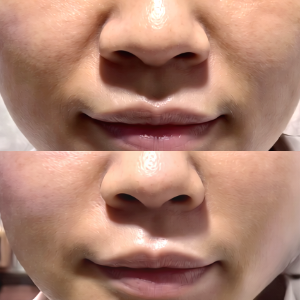
At Sio Clinic, rather than uniformly filling the entire face
or managing it with the same intensity,
we plan by dividing the roles needed for each area.
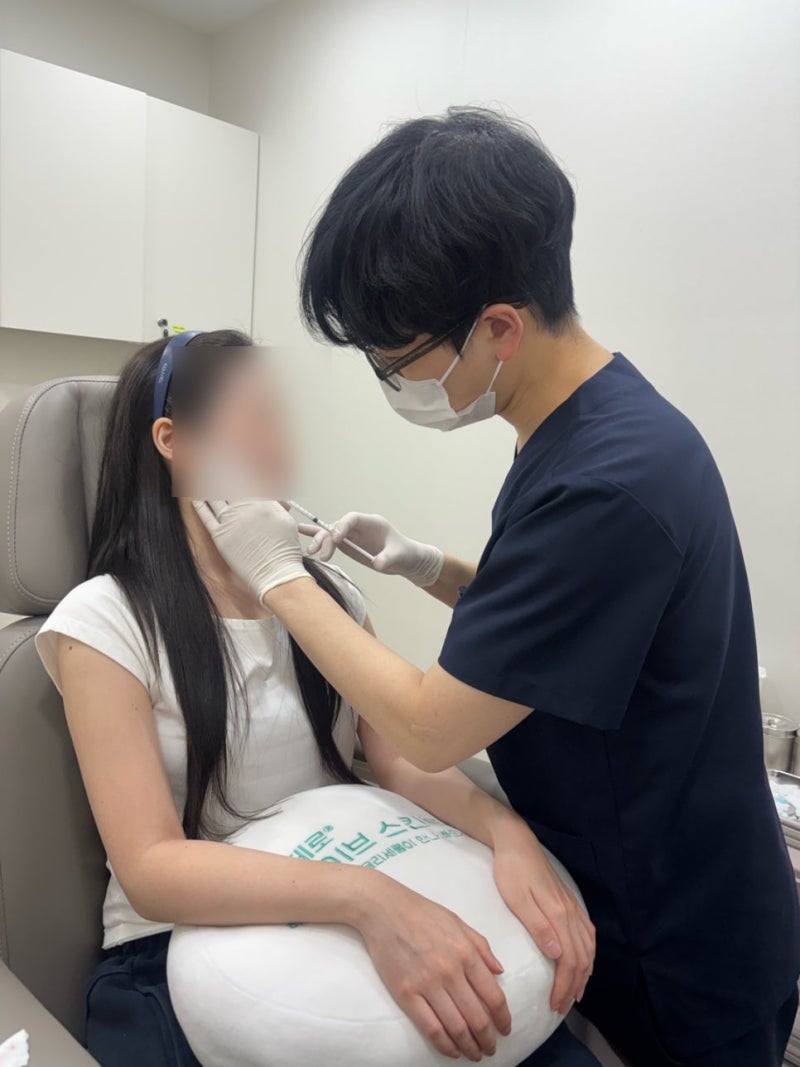
The synergy between the two procedures lies not in
overfilling or excessive tightening,
but in complementing the facial balance
by addressing both wrinkles and elasticity.
The degree of expected change
varies depending on the skin condition and treatment plan.
The starting point for improving a peanut-shaped face
is not simply reducing the cheekbones or filling the cheeks,
but distinguishing the causes of the contour irregularities.
This article is adapted from SHIO Clinic's official Naver blog.
Have questions about your skin?
Book a consultation and let SHIO Clinic's diagnosis guide you to the right treatment.