
[Seongsu/Ttukseom] Sio Clinic's Ultherapy 600 Shots: Effects and Duration
![[Seongsu/Ttukseom] Sio Clinic's Ultherapy 600 Shots: Effects and Duration](https://d2j13kbvy9leyc.cloudfront.net/clinic-blog/5/224439987651/d696372a1d719f2d23d0f007bff3b73b8d5c06e8.jpg)
[Seongsu/Ttukseom] Sio Clinic's Ultherapy 600 Shots
Effects and Duration
Hello. This is Sio Clinic.
When discussing lifting devices in the consultation room,
many patients ask detailed questions such as,
"How long do the effects of Ultherapy 600 shots last?"
"What results are shown in actual research papers?"
When considering lifting procedures, rather than simply
looking at the device name or procedure price,
it is important to also check
how it actually works,
what degree of change has been observed,
and how long the effects last.
Recently, there is an increasing trend of patients
directly searching for research papers or
clinical data related to dermatology procedures
and making decisions based on objective evidence.
In this article, focusing on a research paper
about Ultherapy (XERF) published in
Lasers in Medical Science in June 2026,
we will examine in detail the study subjects, specific procedure protocols,
changes observed over 3 months, and the limitations of the study.
Ultherapy Paper Overview and Study Subjects
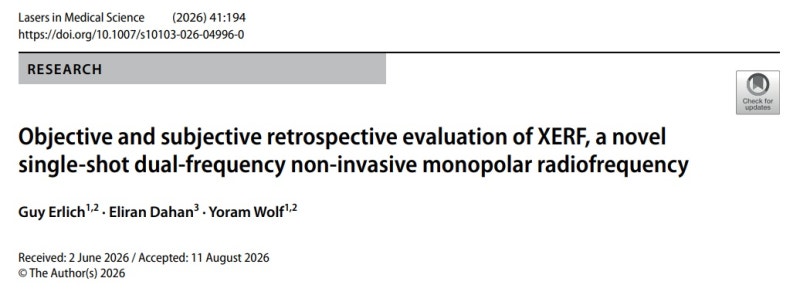
This study, published in June 2026,
is noteworthy for evaluating the treatment results of Ultherapy
through objective measurement indicators and
patient subjective satisfaction.
This study is a retrospective record analysis study
conducted at a single clinic, not a randomized controlled trial.
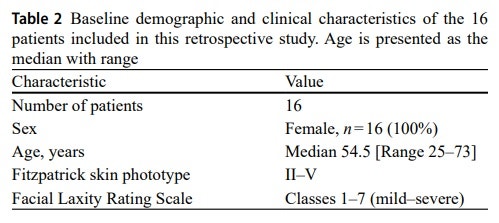
The study subjects were 16 adult women
with an average age of 54.5 years,
ranging from 25 to 73 years old.
The degree of facial sagging was varied,
ranging from stage 1 to 7 based on the
Facial Laxity Rating Scale,
including patients with mild to severe sagging.
All patients received the Ultherapy procedure
only once,
and their progress was observed before the procedure, immediately after,
at 1 month, and at 3 months.
During the observation period, changes after the procedure
were confirmed from various angles through
clinical photography and questionnaire evaluations.
The important point here is that the researchers
did not simply evaluate the appearance immediately after the procedure,
but also tracked the changes over time.
Ultherapy 600 Shots Procedure Protocol and Settings
Instead of just looking at the total number of shots used,
it is also necessary to check
which tips were used,
which areas the energy was delivered to,
and how the procedure was performed.
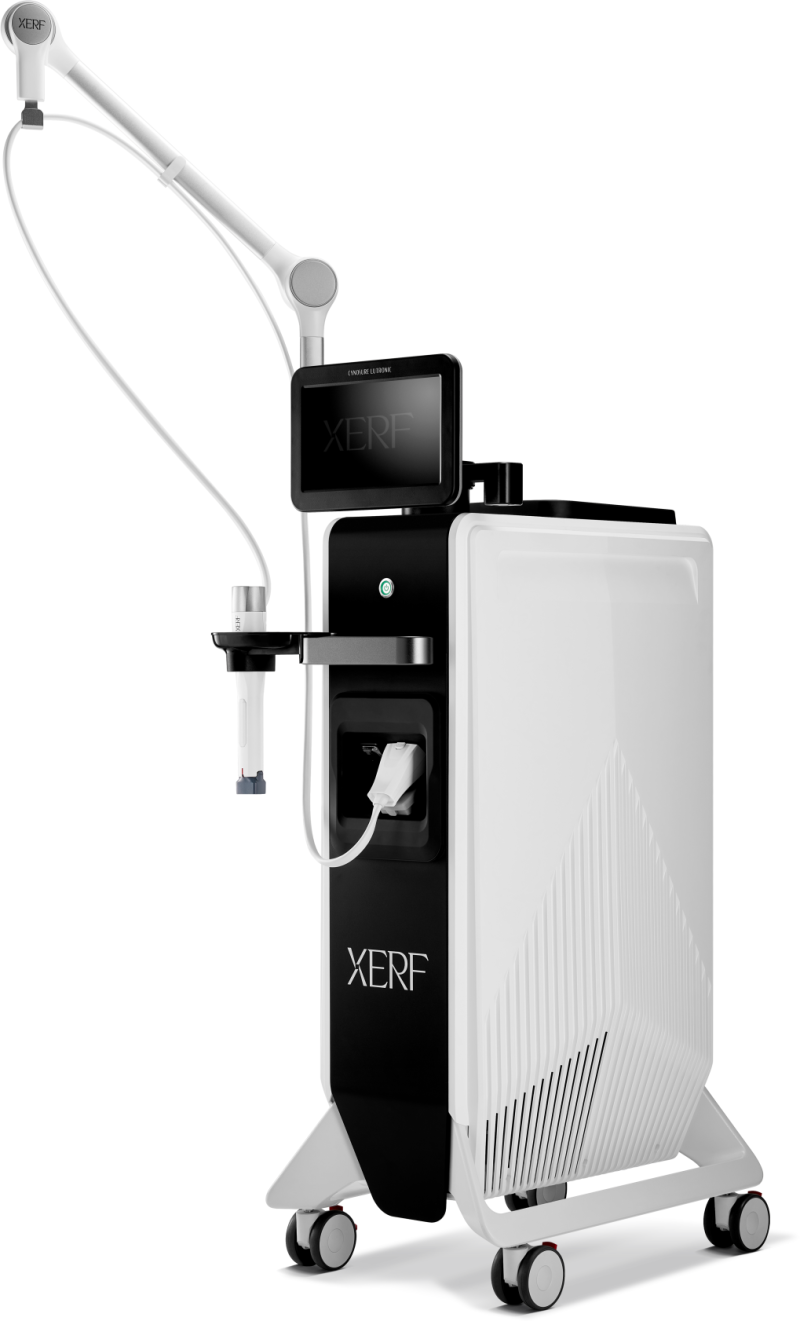
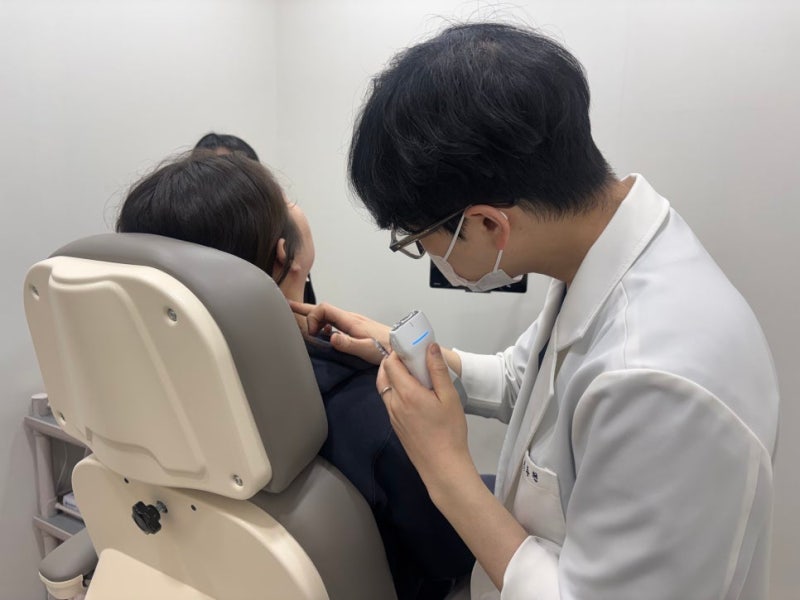
In this study, the Ultherapy face tip (E60)
and eye tips (E5, E10) were used.
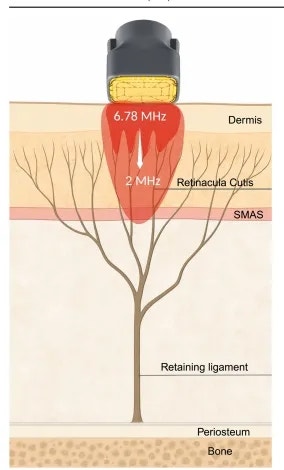
A characteristic feature is that the procedure was performed
in Deep mode, which delivers two frequencies
simultaneously: 6.78MHz and 2MHz.
Lower and Mid-Face Procedure
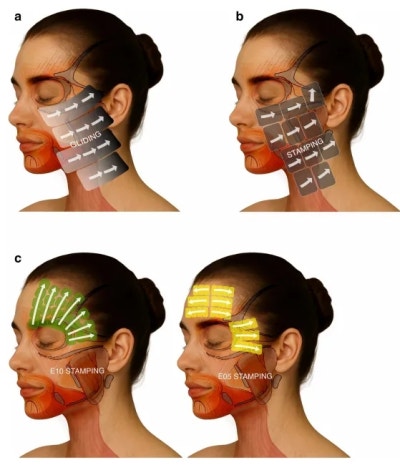
For the lower and mid-face, the face tip was used
to deliver 150 shots per side of the face,
for a total of 300 shots on both sides.
The settings were ICD 1, energy level 4-7,
with Gliding preheating and
Stamping methods applied at 50% each.
The procedure for these areas was performed
by alternating Gliding and Stamping,
one pass each.
Upper-Face Procedure
For the upper face, eye tips were used.
The forehead, temples, and the area below the eyebrows
above the orbital rim were targeted,
using 100% Stamping method.
100 shots with the E10 tip and
50 shots with the E05 tip were delivered per side of the face,
for a total of 300 shots on both sides.
Thus, combining 300 shots for the lower and mid-face
and 300 shots for the upper face,
the entire procedure consisted of a total of 600 shots.
In other words, this paper does not focus
on concentrating energy on a specific area,
but rather deals with a full-face procedure protocol
that manages the upper to lower face
using both face and eye tips.
However, it is important to remember
that even with the same 600 shots,
the actual treatment conditions can vary
depending on the type of tip, energy settings, treatment area,
and delivery method.
3D Volume Change and Lifting Effect
One of the aspects worth noting in this study
is that it did not rely solely on simple photo comparisons
of facial changes.
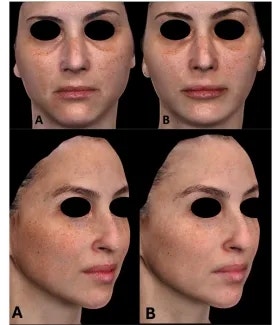
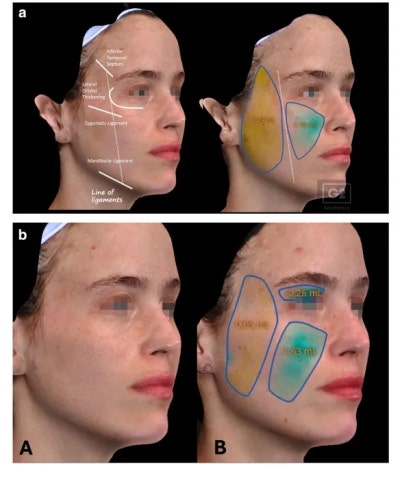
The changes before and after the procedure were evaluated
through volumetric measurements that quantify
the 3D soft tissue movement of the face.
The study observed a redistribution of volume,
where medial volume decreased and lateral volume increased
compared to before the procedure.
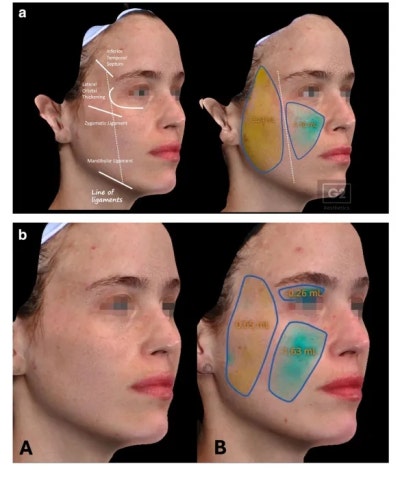
These changes were reported to be observed
up to 3 months later.
Facial volume changes can have
a different meaning than simply
an increase or decrease in overall volume.
This is because we need to consider
how the position and distribution of tissue
in different facial areas change.
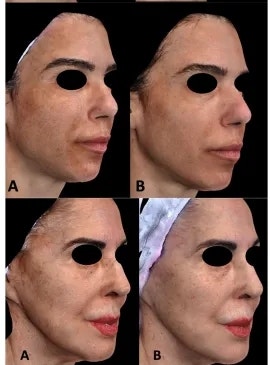
However, since the observation period in the study
was 3 months,
further long-term research is needed
regarding changes and duration of effect thereafter.
How Long Do the Effects Confirmed in the Paper Last?
One of the most common questions for those considering
Ultherapy is about the duration of the effect.
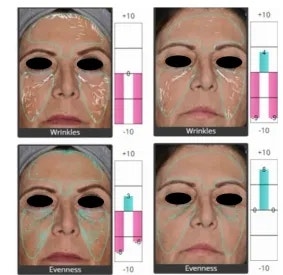
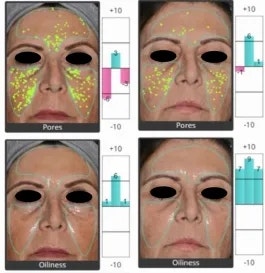
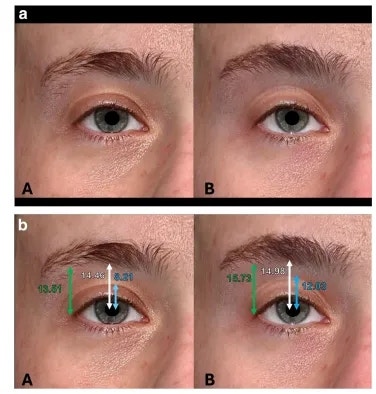
In this paper, follow-up observations were conducted
at 1 month and 3 months post-procedure,
and changes were observed in some lifting and skin-related indicators
up to 3 months.
It is crucial to distinguish between two points here.
The fact that the study was conducted up to 3 months
and the claim that the effects last only up to 3 months
have different meanings.
Since this study was not designed to systematically
evaluate changes beyond 3 months,
it is difficult to conclude exactly how long the effects last.
It is not appropriate to conclude that the duration of effect
is 3 months based solely on the observation period of the paper,
nor is it appropriate to definitively state
that it lasts beyond a certain period.
The duration of effect experienced in actual clinical practice
can vary depending on the individual's skin condition,
procedure conditions, energy settings,
and treatment areas.
Duration of Effect Experienced in Actual Clinical Practice
So, how long do the effects of Ultherapy typically last
in a clinical setting?
According to the experiences of medical professionals introduced earlier,
lifting effects have been observed to last for about 6 months,
and in some cases, a pattern of returning for treatment
every 9-12 months has been observed.
Furthermore, experiences have been shared that the perceived duration
of effects related to skin texture or tightening
may differ from the lifting effect.
It is best to understand this information
as reference based on actual clinical experience.
This does not mean that a uniform duration of effect
of 6 months or 9-12 months is guaranteed
for all patients.
The perceived changes and duration can vary
depending on individual skin thickness and degree of sagging,
lifestyle habits, and treatment conditions.
If you are considering the actual procedure,
rather than just comparing the number of shots,
please also consider the tips used, energy settings,
and the treatment plan for each area.
The appropriate treatment conditions can vary
depending on individual skin thickness and degree of sagging,
facial structure, and treatment goals.
If you are curious about the effects and duration of Ultherapy 600 shots,
we recommend first confirming your current skin condition
and desired improvements through a thorough consultation.
This article is adapted from SHIO Clinic's official Naver blog.
Have questions about your skin?
Book a consultation and let SHIO Clinic's diagnosis guide you to the right treatment.