
Turtle Neck & Trapezius Botox: Effects on Rounded Back, Sloping Shoulders, and Neck-Shoulder Line Improvement?
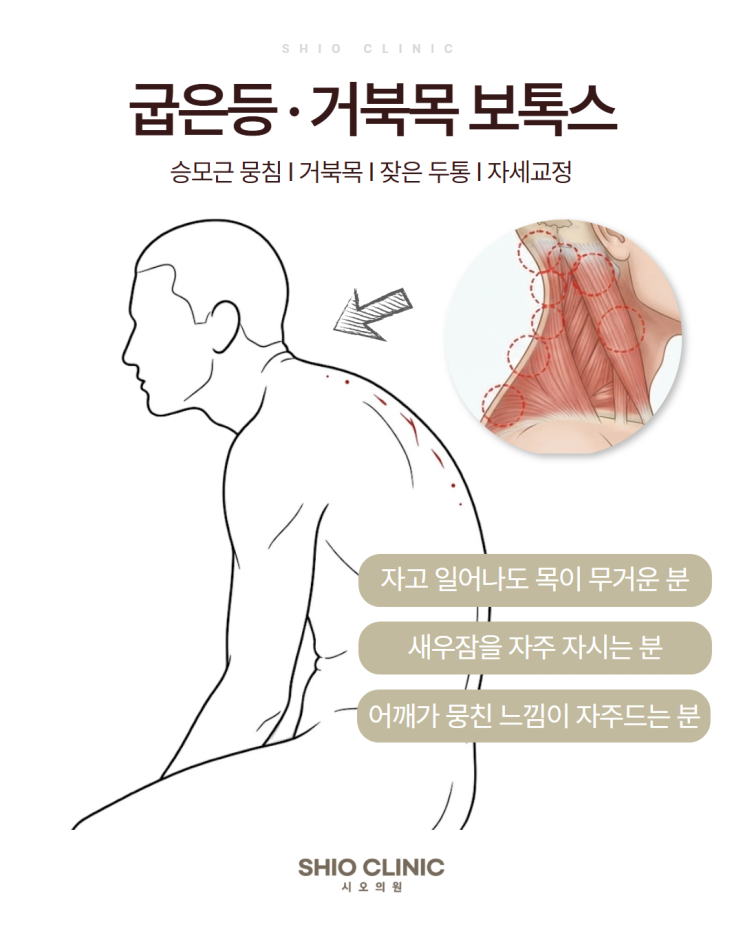
Turtle Neck & Trapezius Botox,
Effects on Rounded Back, Sloping Shoulders, and Neck-Shoulder Line Improvement?
Turtle Neck & Trapezius Botox::SIO Clinic
Hello. This is SIO Clinic.
Have you ever felt heaviness and stiffness in your neck and shoulders,
or noticed your shoulders are rounded when looking at your side profile in the mirror?
Especially with prolonged computer use or
the habit of looking down at your smartphone,
it can put a strain on the muscles around the neck and shoulders,
leading to postural imbalance.
These changes are not just aesthetic
concerns but can also cause
various discomforts such as fatigue and muscle tension in the neck and shoulders.
01. Rounded Back & Turtle Neck: Is it just a posture problem?
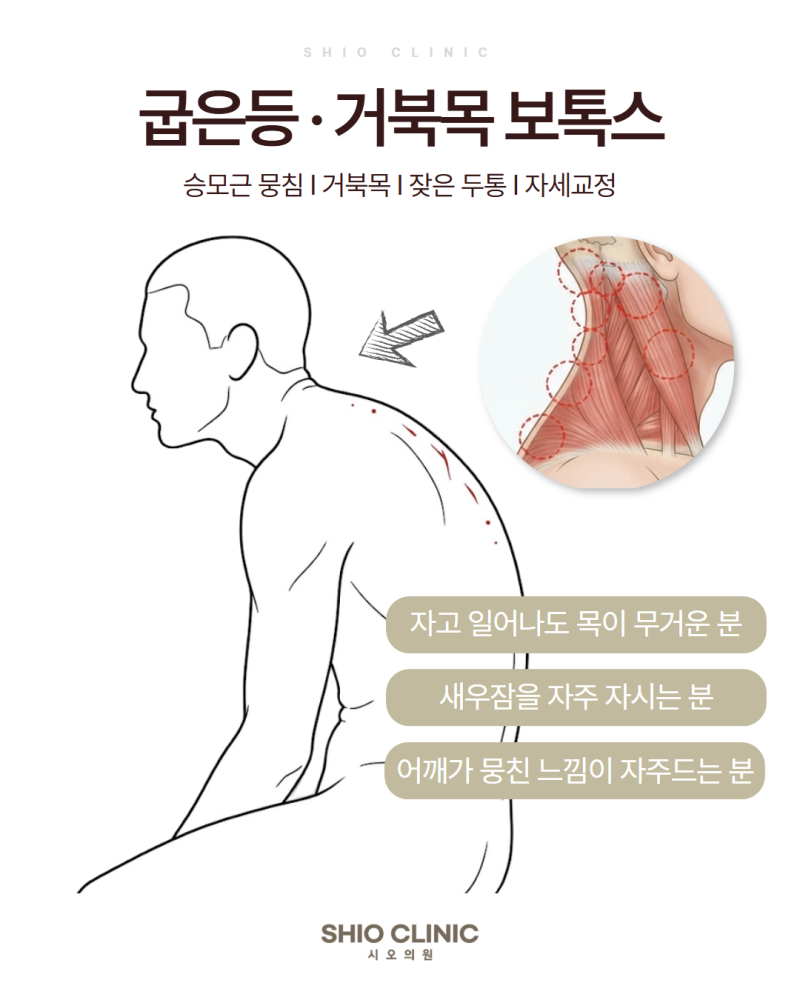
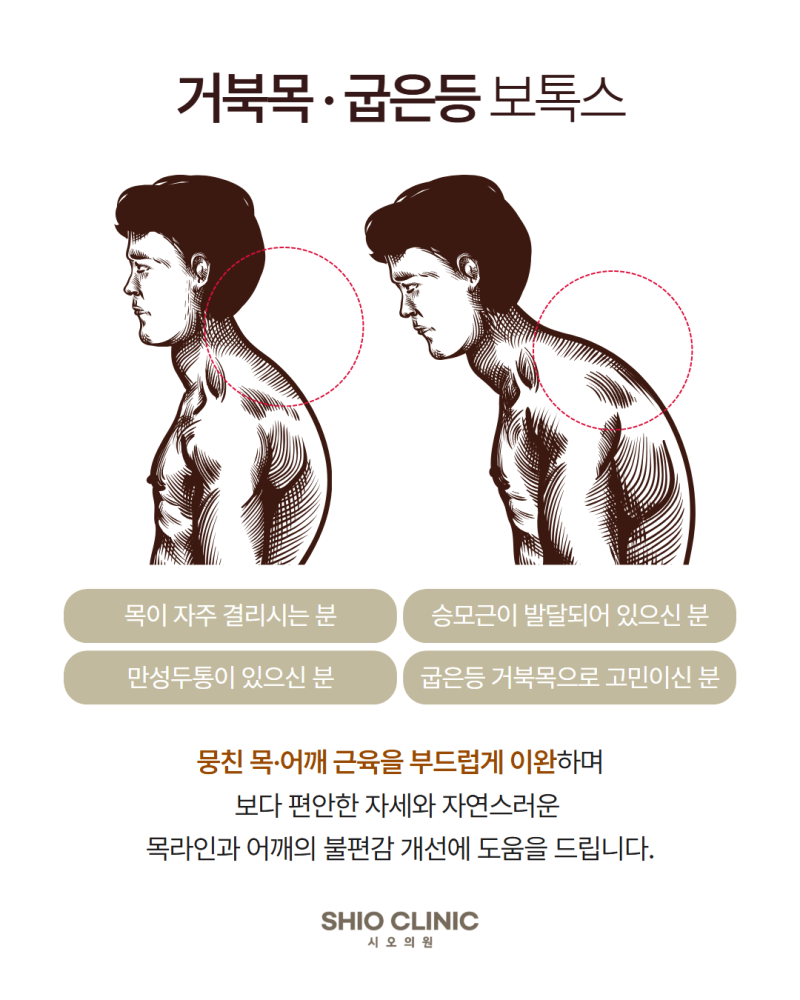
A turtle neck refers to a posture where the head protrudes forward from the body.
In a normal posture, the weight of the head
is distributed relatively evenly along the spine,
but as the head juts forward,
the burden on the neck muscles increases.
When accompanied by rounded shoulders (shoulders rolling forward)
and kyphosis (rounded upper back),
the alignment of the neck and shoulders changes further.
Turtle Neck & Trapezius Botox::SIO Clinic
Muscles connecting the neck and shoulders,
such as the upper trapezius and levator scapulae,
may show continuous tension to maintain posture.
If this condition persists for a long time,
it can cause fatigue and stiffness in the muscles,
and can also lead to a short and blunt neck-shoulder line.
However, turtle neck and rounded back are not caused by a single muscle issue.
Spinal alignment, joint mobility,
muscle balance, and lifestyle habits
all interact complexly, making it important to identify the cause.
02. Trapezius Botox, also known as Wedding Botox
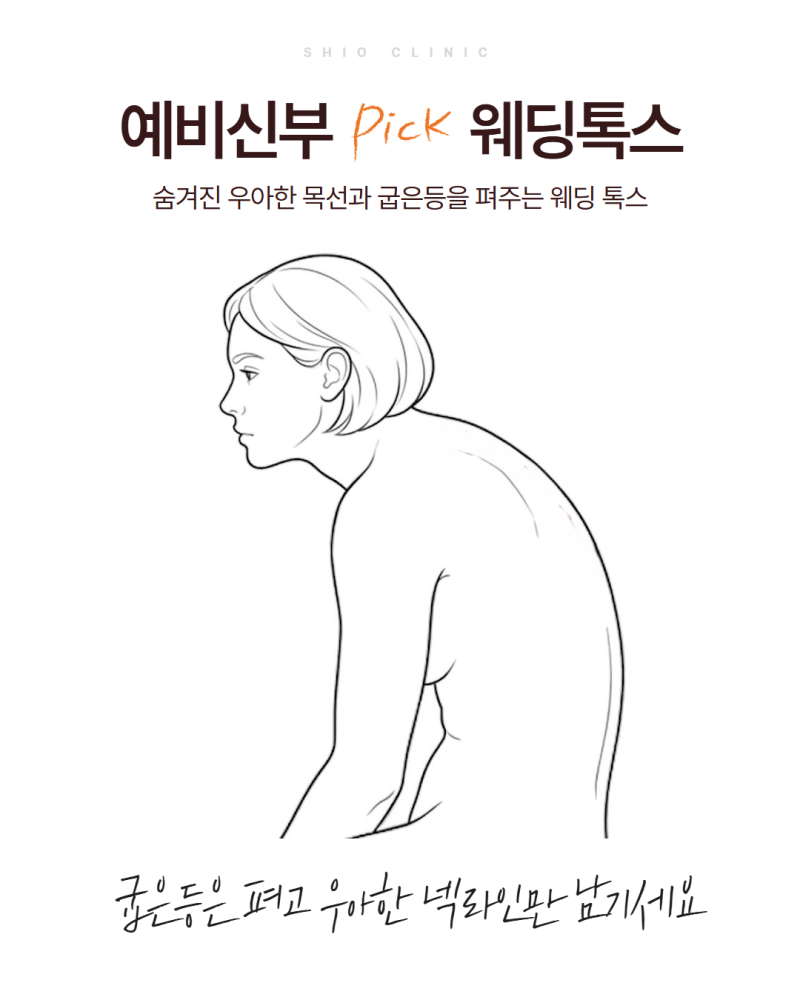
Recently, as more people focus on the silhouette of their neck and shoulders,
interest in trapezius Botox is also increasing.
Especially when wearing outfits that expose the shoulders, like dresses,
some people consider the procedure if they are concerned about their neck appearing short
or their trapezius muscles being prominent.
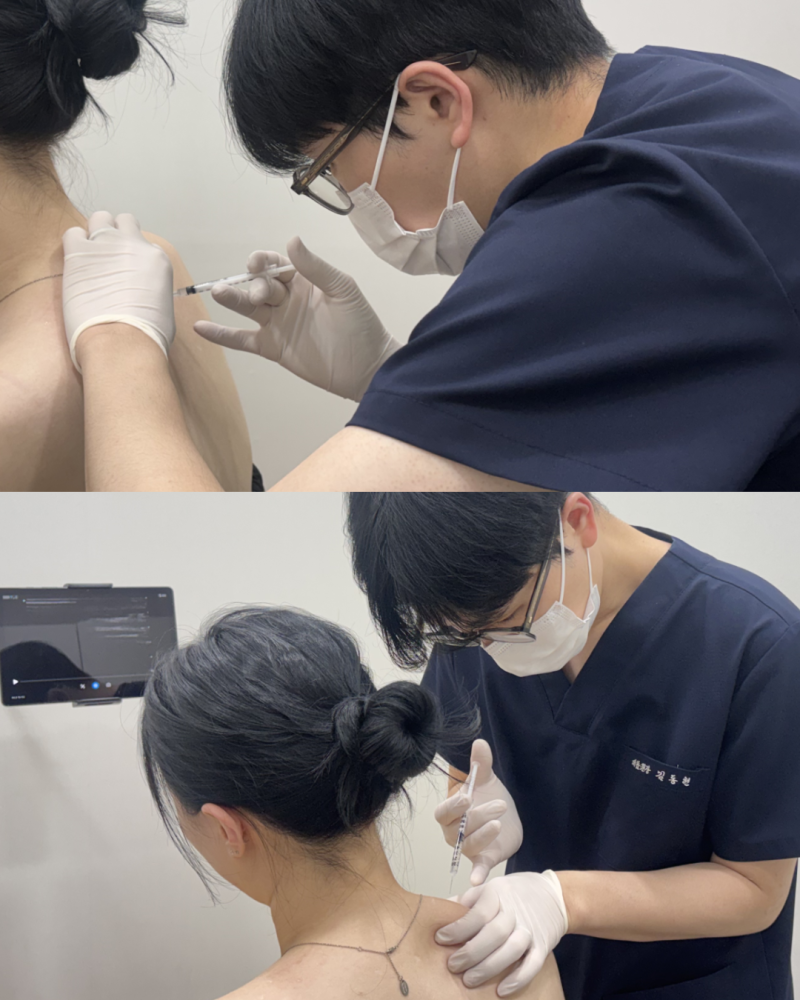
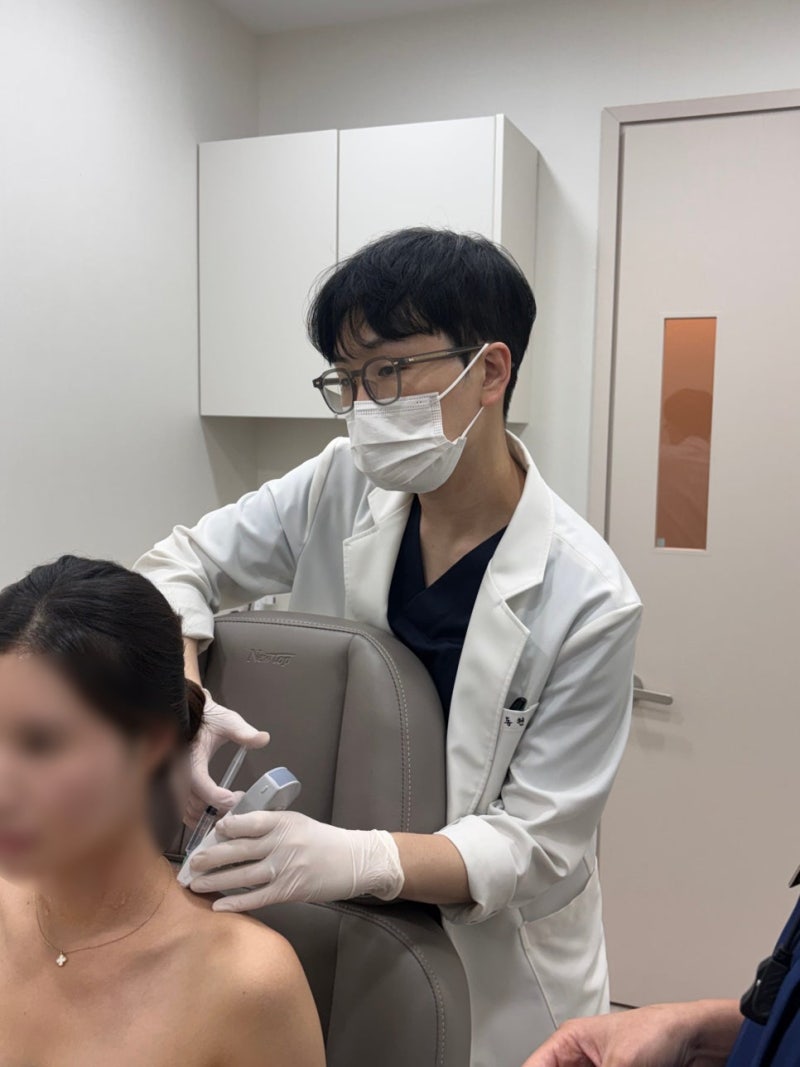
Trapezius Botox uses the principle of temporarily inhibiting nerve-muscle signal transmission
by injecting botulinum toxin into the trapezius muscle.
This reduces excessive muscle contraction,
and over time, the muscle volume may decrease
depending on its usage.
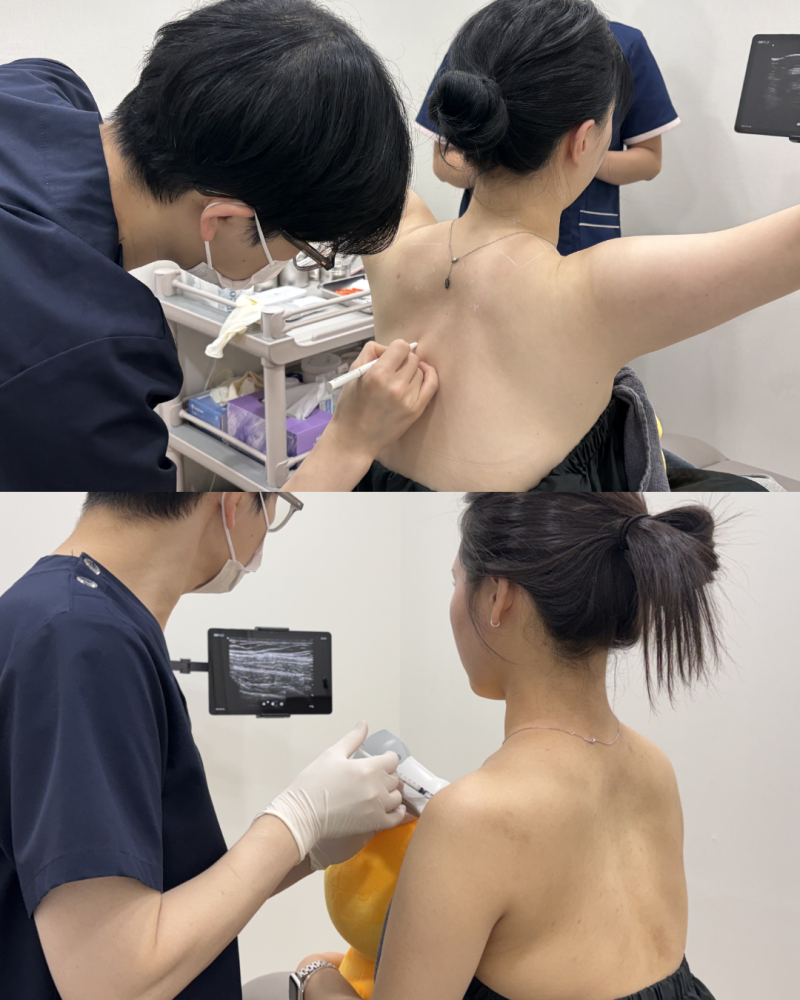
If the trapezius muscles are significantly developed,
the shoulder line may appear relatively softer and more gradual.
However, trapezius Botox alone does not correct
the structural alignment of a rounded back or turtle neck.
Therefore, it is advisable to approach posture correction
and muscle volume reduction procedures separately.
03. Trapezius Botox: A Procedure Considering Muscle Structure
Turtle Neck & Trapezius Botox::SIO Clinic
The trapezius is a large muscle that starts from the back of the neck
and extends broadly to the shoulders and back.
It is divided into upper, middle, and lower parts,
and each part plays a different role in the movement of the shoulders and scapula.
The upper trapezius, in particular, is an important muscle involved
in lifting and rotating the scapula.
Therefore, simply injecting a large amount of Botox
just because the trapezius muscles are developed is not always the best approach.
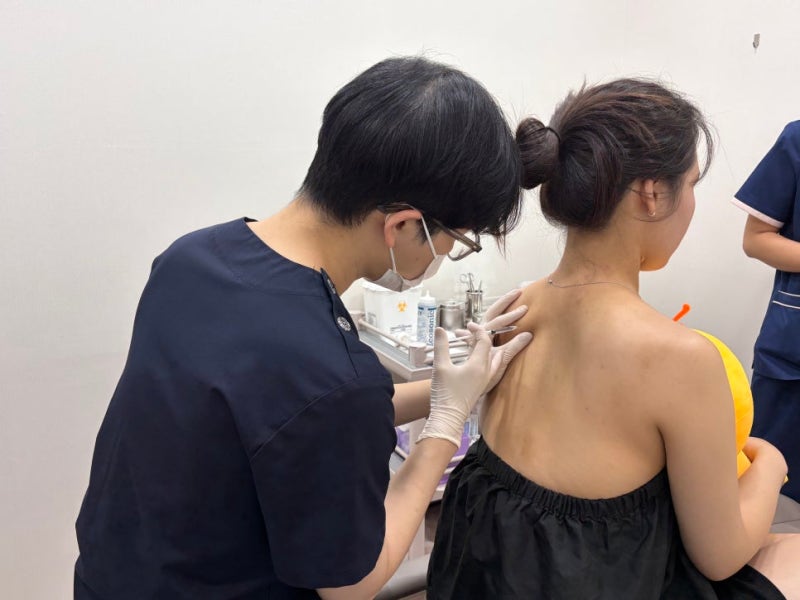
It is necessary to consider the muscle thickness and development,
left-right asymmetry, and shoulder movement comprehensively.
Overly inhibiting muscle function can weaken the ability to lift the shoulders
or cause discomfort in daily movements.
SIO Clinic emphasizes the importance of carefully determining the injection area and
necessary dosage, considering these anatomical characteristics.
04. Detailed Muscle Evaluation Using Ultrasound
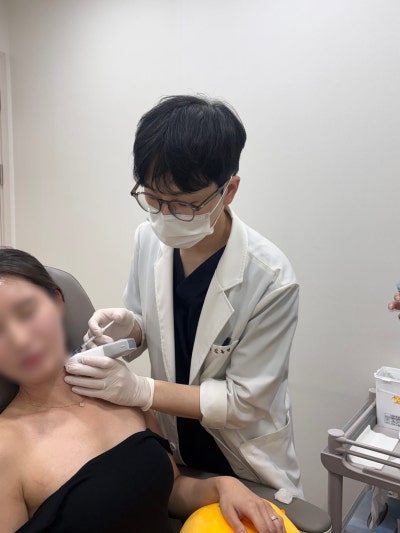
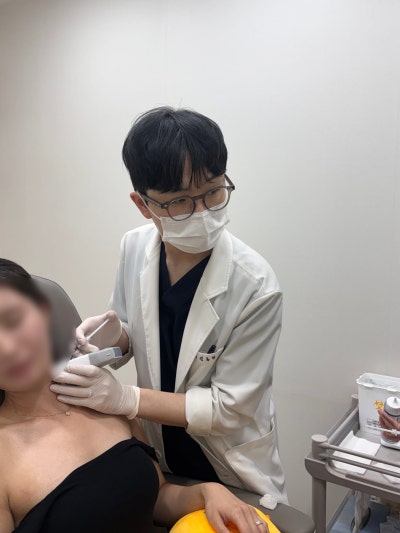
One of the important factors when considering trapezius Botox
is to check the actual condition of the muscles.
It can be difficult to assess muscle thickness and structure
based solely on the apparent height of the shoulders or
the prominence of the trapezius muscles.
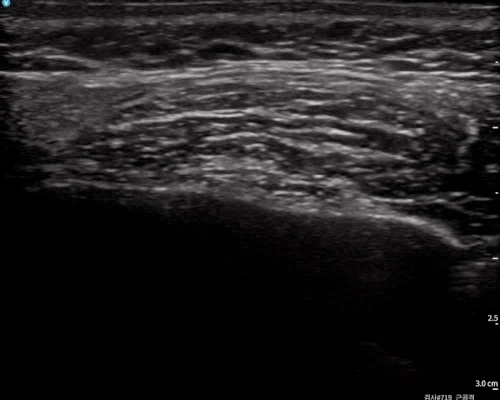
Ultrasound examination can help in real-time assessment of muscle thickness and
the position of surrounding tissues.
Understanding the individual's unique muscle shape and
development patterns can help in creating a more detailed treatment plan.
Turtle Neck & Trapezius Botox::SIO Clinic
However, using ultrasound does not prevent all side effects
or guarantee treatment results.
What is important is an appropriate treatment plan
that considers anatomical understanding and
the individual's muscle condition.
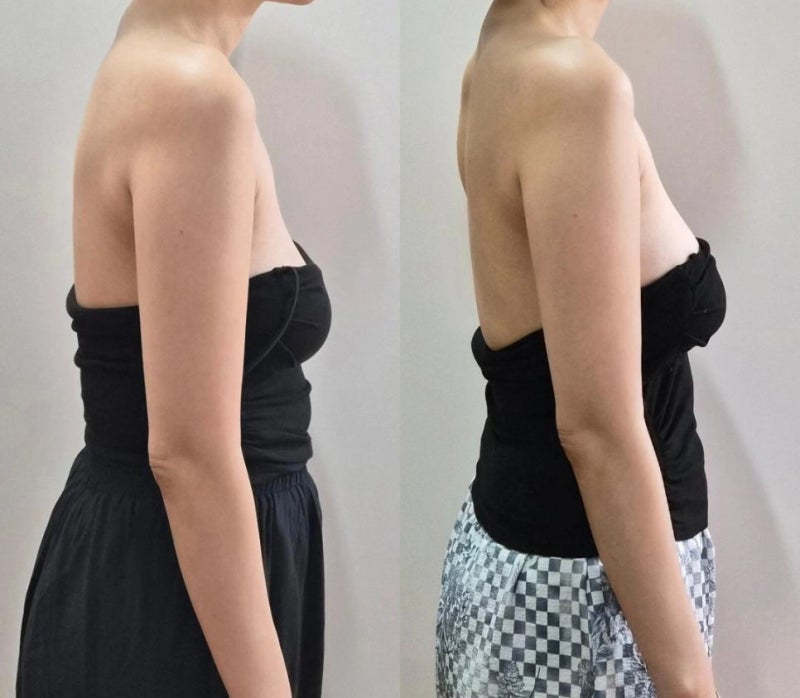
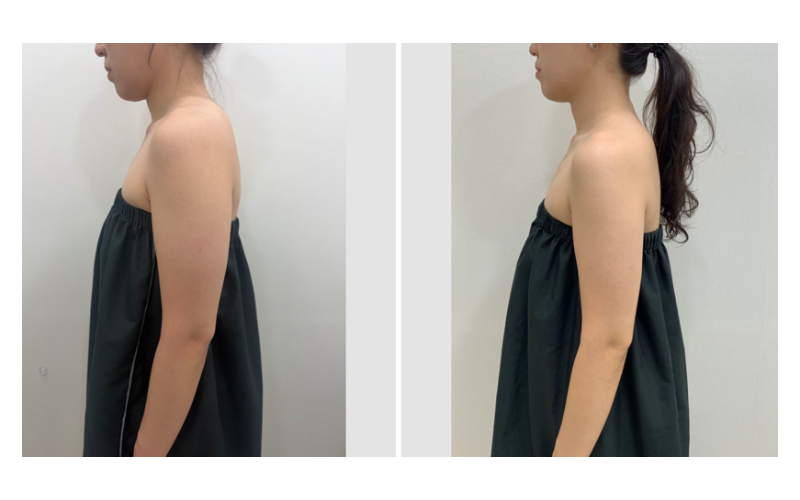
05. Neck-Shoulder Line Changes: What to Look for in Before & After Photos
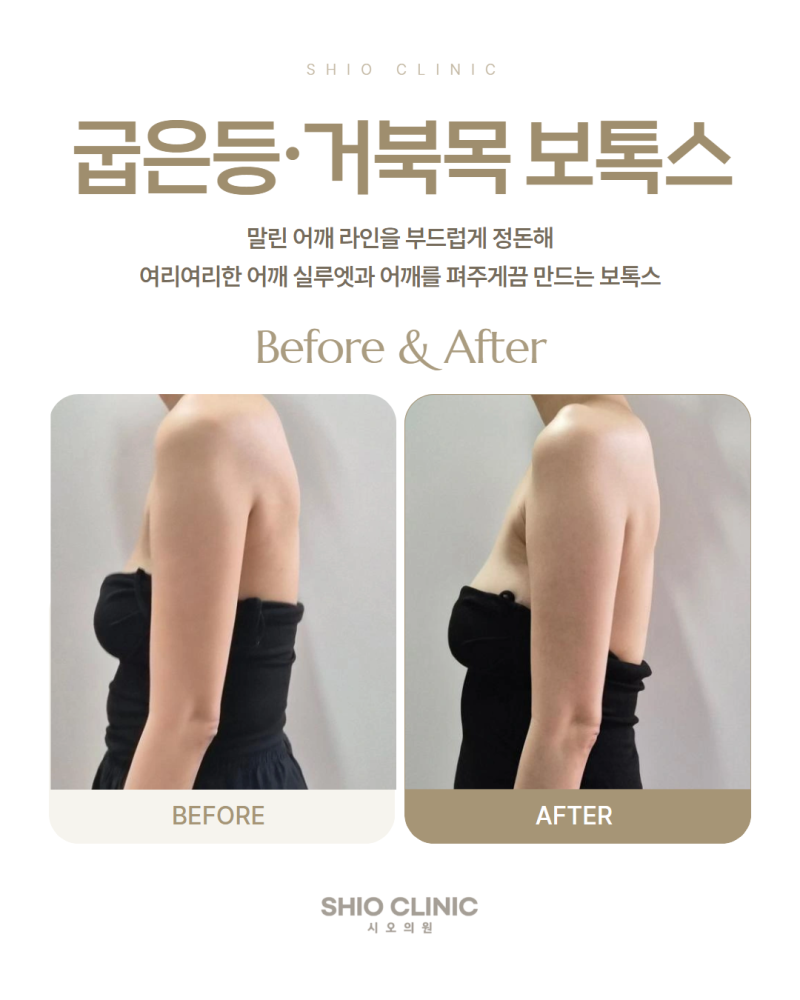
The most anticipated aspect for those considering trapezius Botox
is the actual change in the shoulder line.
In cases of excessive trapezius muscle development,
after the procedure, as the muscle volume decreases,
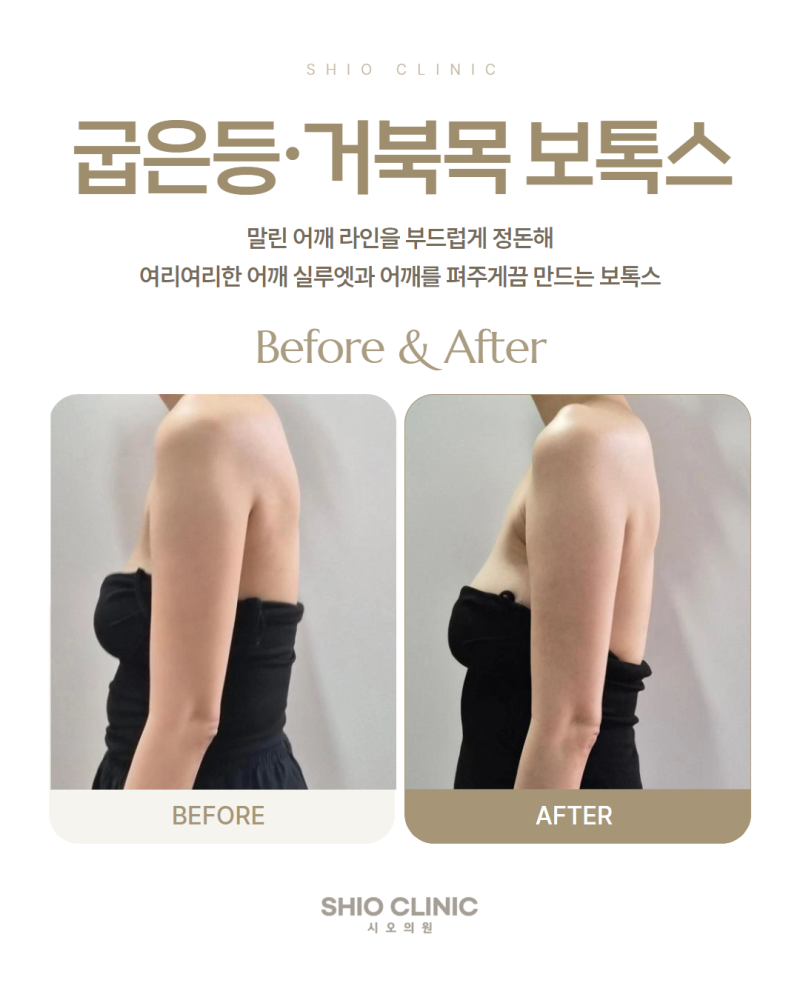
you can expect a change where the prominent shoulder contour appears softer.
However, the effects of botulinum toxin are not immediate.
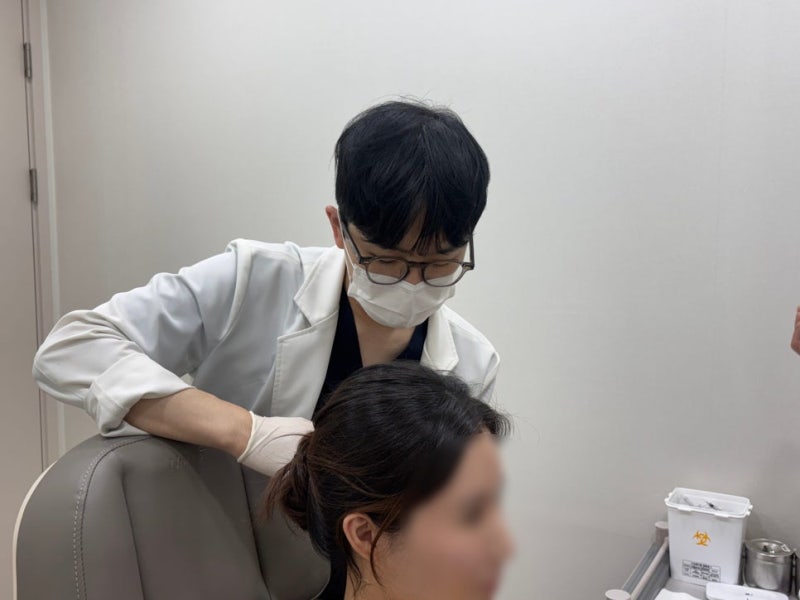
It takes time for muscle activity to gradually decrease
and for volume changes to become apparent.
The degree of effect and duration of results can also vary individually
depending on muscle mass, dosage injected, and lifestyle habits.
Turtle Neck & Trapezius Botox::SIO Clinic
Furthermore, when comparing before and after photos,
it is important to consider the shooting angle, shoulder position,
and differences in posture.
It is important to remember that Botox is a procedure to adjust muscle volume,
not a treatment to change the spinal alignment itself.
06. Turtle Neck and Rounded Back: Muscle Balance is Key
If you have a turtle neck or rounded shoulders,
simply relaxing the trapezius muscles will not solve all the problems.
Around the neck and shoulders, in addition to the trapezius,
various other muscles such as the levator scapulae, pectoralis muscles, and serratus anterior are involved.
Some muscles may be excessively tense while
others are relatively weak, leading to persistent postural imbalance.
Therefore, if you experience discomfort related to posture,
evaluating the condition of your muscles and joint mobility,
and if necessary, combining it with stretching, strengthening exercises,
and lifestyle improvements can be helpful.
Trapezius Botox is a separate procedure that can be considered selectively
based on the degree of muscle development.
Especially if accompanied by chronic pain, numbness, or muscle weakness,
it is important to seek a precise diagnosis to identify the cause,
rather than assuming it is simple muscle tension.
07. Choosing for a Natural Neck-Shoulder Line
Turtle Neck & Trapezius Botox::SIO Clinic
A beautiful neck and shoulder silhouette
is not achieved simply by having small trapezius muscles.
It is important for the neck length, shoulder slope,
muscle balance, and overall posture to harmonize.
SIO Clinic emphasizes an approach that considers
the individual's body structure, muscle development,
and functional aspects, rather than just muscle reduction.
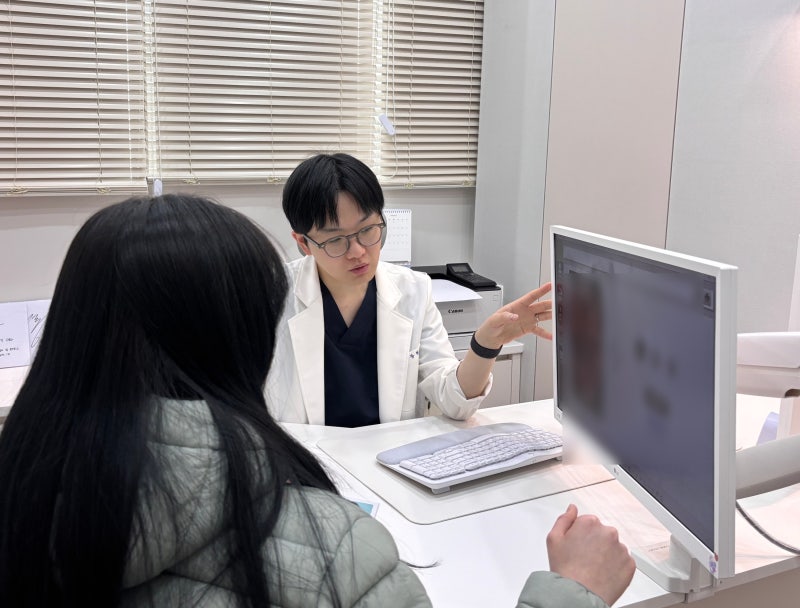
If you are considering turtle neck or trapezius Botox,
it is necessary to first distinguish whether your discomfort is due to posture
or an aesthetic concern related to muscle development.
Remember that the choice for a natural neck-shoulder line
begins with understanding your current condition.
This article is adapted from SHIO Clinic's official Naver blog.
Have questions about your skin?
Book a consultation and let SHIO Clinic's diagnosis guide you to the right treatment.